aliments riches en fer tableau pdf
Overview of the Iron-Rich Foods Table
The PDF table lists iron content (mg per 100 g) for foods across categories—cereals, meats, fruits, veggies, seafood․ It shows each item’s value, aiding diet planning․ For vegans, it highlights legumes, tofu, fortified milks, and leafy greens as key sources․ The table also lists bioavailability notes․!!
Purpose and Format of the PDF Table
The downloadable PDF presents a comprehensive, standardized list of foods ranked by their iron content per 100 grams․ Designed for quick reference, the table is organized into clear columns: food name, category, iron concentration (mg/100 g), and a note on bioavailability․ Each row is numbered for easy cross‑referencing, and a legend explains symbols such as “heme” versus “non‑heme” iron․ The layout uses alternating row shading to reduce visual fatigue, and the header remains fixed when scrolling․ Users can print the table or copy the data into spreadsheets for personalized meal planning․ The format adheres to nutritional data standards, ensuring consistency with other dietary databases․ By providing both raw values and contextual notes, the PDF serves as a practical tool for dietitians, researchers, and consumers seeking to optimize iron intake․
Users can export the table to CSV for integration with diet tracking apps, or embed it in educational materials․ The PDF includes a QR code linking to an interactive version that updates with the latest USDA nutrient database releases․ Color‑coded icons indicate iron bioavailability: green for heme iron, yellow for non‑heme sources․ The document also lists recommended daily intakes for various age groups, helping readers assess how many servings of each food are needed to meet their individual requirements․ Additionally, a sidebar provides quick‑reference conversion factors for common cooking methods that affect iron retention․ Readers can also download the source data for custom analysis!
How to Read the Iron Content Values
Each entry lists iron in milligrams per 100 grams of the product․ Figure represents total iron, not absorbed․ To gauge a meal’s contribution, divide the serving weight by 100 and multiply by the listed value․ For example, 150 g of cooked lentils (3․3 mg/100 g) yields 4․95 mg of iron․ The table also marks heme sources, which are absorbed up to 25 % more efficiently than non‑heme items․ A small icon next to the number indicates this distinction․ Cooking methods can alter the value: boiling may leach iron into the liquid, while roasting concentrates it․ PDF provides a “bioavailability factor” column; multiply the raw value by 0․25 for heme and 0․10 for non‑heme to estimate iron․ Finally, the “serving suggestion” column offers a practical reference—how many grams of the food are needed to meet 10 % of the RDA for an adult female (8 mg)․ Use this as a quick check when planning balanced meals․
Each entry lists iron in milligrams per 100 grams of the raw product․ The figure represents the total iron, not the amount absorbed․ To gauge a meal’s contribution, divide the serving weight by 100 and multiply by the listed value․ For example, 150 g of cooked lentils (3․3 mg/100 g) yields 4․95 mg of iron․ The table also marks heme sources, which are absorbed up to 25 % more efficiently than non‑heme items․ A small icon next to the number indicates this distinction․ Cooking methods can alter the value: boiling may leach iron into the liquid, while roasting concentrates it․ The PDF provides a “bioavailability factor” column; multiply the raw value by 0․25 for heme and 0․10 for non‑heme to estimate absorbed iron․ Finally, the “serving suggestion” column offers a practical reference—how many grams of the food are needed to meet 10 % of the RDA for an adult female (8 mg)․ Use this as a quick check when planning balanced meals․
Iron Content by Food Category
The PDF groups foods into categories: meats, poultry, seafood, legumes, grains, and produce․ Each lists iron per 100 g, highlighting heme vs non‑heme․ This layout helps compare bioavailability and plan balanced meals across dietary preferences․
Use the chart to track iron intake and adjust portions
Red Meats and Organ Meats
In the PDF, red meats such as beef, lamb, and pork provide high heme iron, ranging from 2․0 mg to 5․5 mg per 100 g․ Organ meats—particularly organ—offer the most concentrated source, with values up to 6․5 mg per 100 g․ These foods also supply vitamin B12, zinc, and protein, enhancing overall nutrient density․ The table lists each cut (sirloin, ribeye, ground) and organ (beef liver, chicken heart, lamb kidney) with precise iron amounts․ For individuals seeking iron‑rich options, incorporating moderate portions of lean cuts or organ meats can help meet daily requirements, especially for those with higher needs such as menstruating women or athletes․ The PDF also notes that cooking methods like grilling or braising preserve iron content, while excessive charring may reduce it slightly․ Additionally, pairing these meats with vitamin C‑rich vegetables—such as bell peppers or tomatoes—can further boost absorption․ The data is organized to allow quick reference when planning grocery lists or meal plans, ensuring that iron intake is balanced across the week․
The PDF also provides portion guidelines, suggesting 100 g servings for lean cuts and 50 g for organ meats to meet the recommended daily allowance․ It highlights cooking techniques that preserve iron, such as steaming or sautéing, and cautions against overcooking, which can degrade iron content․ Users can compare the iron density of different cuts side‑by‑side, enabling precise meal planning and ensuring optimal iron intake throughout the day․ This data supports balanced nutrition․ It helps meet daily iron goals․ Enjoy the benefits․
Poultry and Seafood
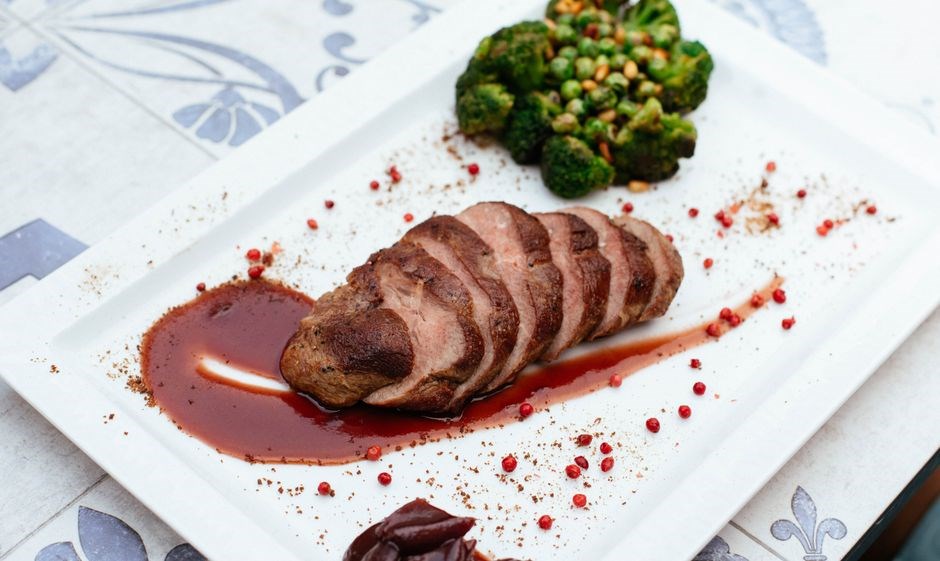
The PDF table lists iron content for poultry and seafood, showing values from 0․5 mg to 2․8 mg per 100 g․ Chicken breast contains about 0․9 mg, while dark‑meat chicken offers 1․2 mg․ Turkey provides 1․0 mg, and duck 1․5 mg․ Seafood entries include shrimp (0․6 mg), scallops (1․0 mg), and salmon (0․8 mg)․ Shellfish such as mussels and clams are high, with 2․1 mg and 2․8 mg respectively․ The table highlights that heme iron from poultry is more bioavailable than plant sources, yet still lower than red meats․ It also notes that cooking methods—grilling, poaching or steaming—retain iron better than deep‑frying․ Pairing these proteins with vitamin C‑rich sides like bell peppers or citrus can enhance absorption․ Portion sizes are indicated: 100 g for poultry, 80 g for shellfish, to meet daily needs․ The PDF allows quick comparison across species, aiding meal planning for those seeking balanced iron intake without excessive saturated fat․ This data supports informed dietary choices for athletes, pregnant women, and anyone needing reliable iron sources․
In addition, the PDF notes that the iron content can vary with animal diet and processing․ For example, pasture‑raised beef may contain slightly higher iron than grain‑fed cattle․ Similarly, wild‑caught salmon often has a richer iron profile compared to farmed fish․ Understanding these nuances helps consumers make choices that align with their nutritional goals․ Moreover, seasonal variations can influence iron levels, so choosing fresh options often yields higher mineral content․!
Legumes and Pulses
The PDF table details iron content for legumes and pulses, ranging from 1․5 mg in lentils to 3․6 mg in chickpeas per 100 g․ Split peas provide 3․0 mg, black beans 2․5 mg, and kidney beans 2․0 mg․ Soy products such as tofu and tempeh show 1․8 mg and 2․2 mg respectively․ The table also lists dried beans, noting that cooking reduces phytic acid, thereby improving iron bioavailability․ Portion guidance suggests 100 g cooked beans deliver 1․5–3․5 mg, meeting a significant portion of the daily requirement for vegetarians․ The PDF emphasizes pairing legumes with vitamin C‑rich vegetables like tomatoes or bell peppers to enhance absorption․ It also highlights that legumes are high in fiber and protein, making them a nutrient‑dense choice․ Seasonal availability is noted: winter lentils are more accessible, while summer chickpeas are fresher․ The table includes a column for “heme vs non‑heme” classification, marking legumes as non‑heme sources․ This distinction helps users understand that while iron is present, it is less readily absorbed than from animal sources, yet still valuable when combined with absorption enhancers․ Finally, the PDF offers a quick reference for meal planners to compare iron values across different pulse varieties, enabling balanced diet construction without excess saturated fat or cholesterol․
The data also includes a note that legumes can be prepared in various ways—boiled, stewed, or roasted—to maximize flavor and nutrient retention; Additionally, the table lists the typical serving size, helping consumers plan balanced meals that meet daily iron
Nuts, Seeds, and Cereals
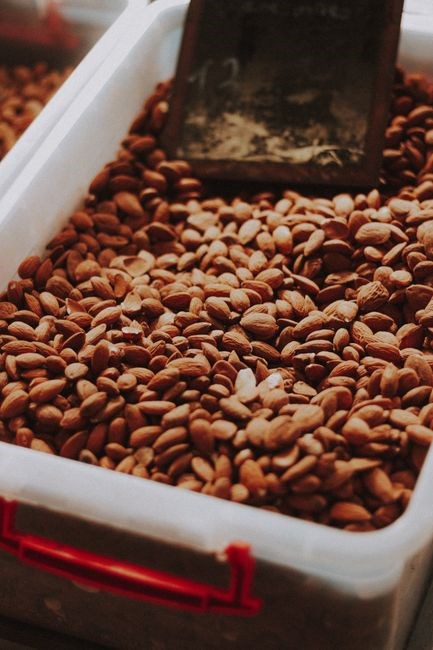
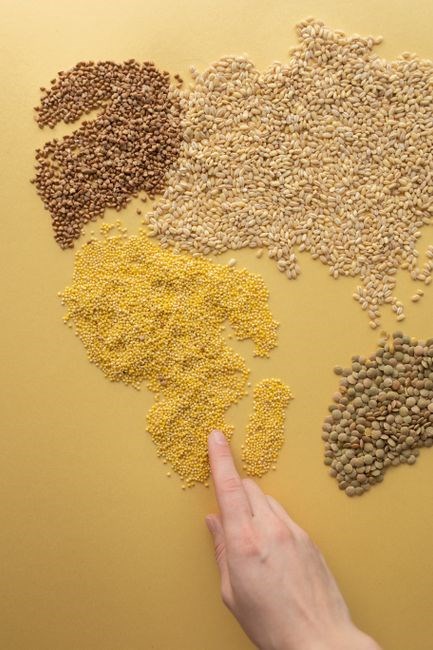
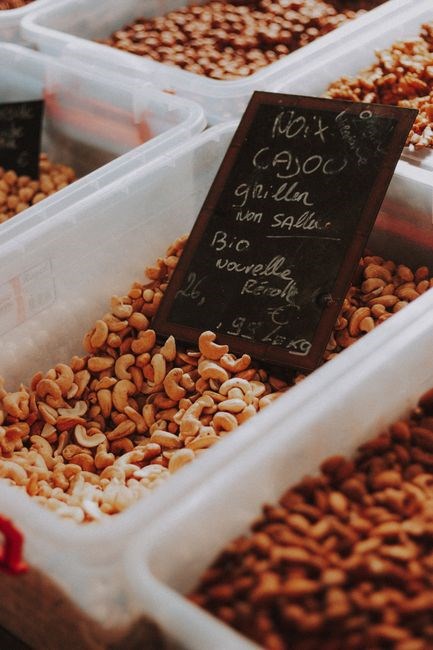
The PDF table presents iron concentrations for a variety of nuts, seeds, and whole‑grain cereals, offering a clear comparison for diet planning․ Almonds contain 1․2 mg per 100 g, while cashews provide 6․7 mg, making them a relatively dense source․ Pumpkin seeds deliver 8․8 mg, chia seeds 7․7 mg, and sunflower seeds 5․0 mg․ In the cereal section, quinoa offers 4․1 mg, amaranth 5․3 mg, and spelt 3․0 mg per 100 g․ Oats provide 4․3 mg, and whole‑wheat bread averages 2․5 mg․ The table also lists fortified breakfast cereals, which can contain up to 18 mg of iron per serving, depending on fortification levels․ Portion recommendations are included: a 30‑gram handful of pumpkin seeds supplies 2․6 mg, while a 50‑gram serving of quinoa yields 2․0 mg․ The PDF highlights that the iron in nuts and seeds is non‑heme, thus absorption is enhanced when consumed with vitamin C‑rich foods such as citrus or bell peppers․ It also notes that the phytic acid content in whole grains can inhibit iron uptake, but soaking or sprouting grains reduces this effect․ Users can reference the “bioavailability factor” column to estimate how much iron will actually be absorbed from each food․ The table’s format allows quick identification of high‑iron nuts and seeds, making it easier to incorporate them into vegetarian or vegan meal plans without relying on animal products․ This table empowers nutritionists and home cooks alike to craft balanced, iron‑rich menus that support healthy blood function, respecting dietary preferences and culinary traditions worldwide․!
Fruits and Vegetables
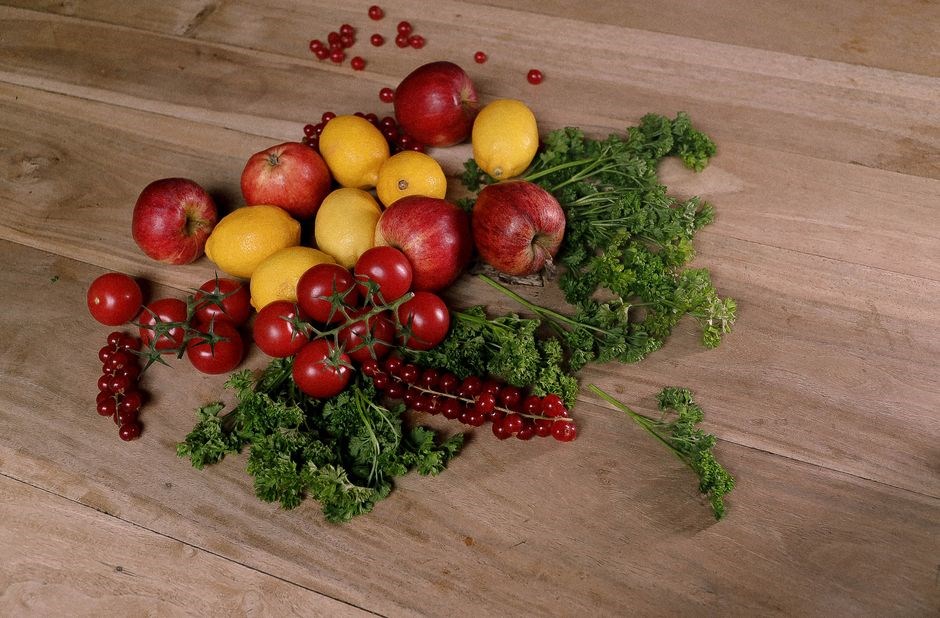
The PDF table lists iron content for a wide range of fruits and vegetables, offering a quick reference for those seeking plant‑based iron․ In the table, spinach provides 2․7 mg per 100 g, while Swiss chard offers 2․5 mg․ Broccoli contains 0․7 mg, and tomatoes 0․5 mg․ Citrus fruits are lower in iron but high in vitamin C, which boosts absorption; for example, oranges provide 0․1 mg and lemons 0․1 mg․ Berries such as strawberries deliver 0․4 mg, and kiwi 0․3 mg․ The table also highlights less common options: black currants 0․5 mg, dried apricots 2․0 mg, and pumpkin (cooked) 0․6 mg․ Portion guidance is included: a cup of cooked spinach yields 3․4 mg, while a medium orange supplies 0․1 mg․ The PDF notes that non‑heme iron from these foods is best absorbed when paired with vitamin C‑rich items, and that phytates in some vegetables can inhibit uptake․ By consulting the “bioavailability factor” column, users can estimate actual absorption, aiding in meal planning for vegetarians and vegans who rely on plant sources to meet daily iron requirements․ This section empowers readers to diversify their diet with nutrient‑dense produce while maintaining balanced iron intake․ Readers are encouraged to pair these foods with vitamin C sources such as citrus, bell peppers, or tomatoes to maximize iron uptake, especially for those with higher needs or risk of deficiency․ Additionally, cooking methods like steaming or sautéing preserve iron and enhance flavor, while legumes in soups add protein and iron, supporting nutrition․ Add iron‑rich grains to salads boost 2!
Optimizing Iron Absorption
Pair iron foods with vitamin C sources—citrus, bell peppers, tomatoes—to boost non‑heme uptake․ Avoid tea, coffee, and calcium‑rich foods at the same meal, as they inhibit absorption․ Use cooking methods that preserve iron, like steaming․ Add leafy greens for extra iron +C!․
Vitamin C–Rich Food Pairings
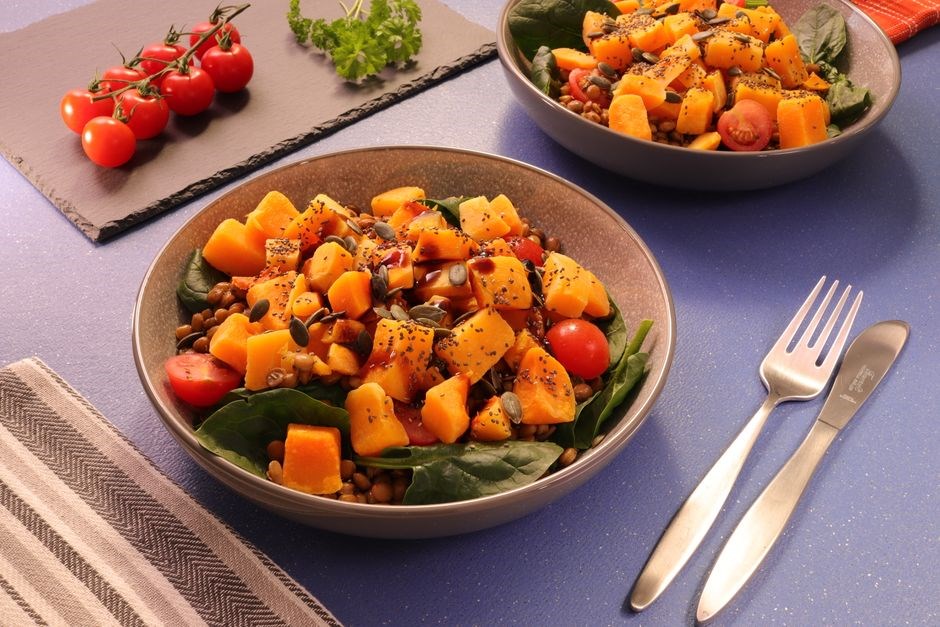
To maximize iron uptake, combine each iron‑rich item with a vitamin‑C‑rich partner in the same meal․ Citrus fruits such as oranges, grapefruits, and lemons are classic choices; a squeeze of fresh juice over a spinach salad or a side of lentils can raise non‑heme absorption by up to 50 %․ Berries—strawberries, raspberries, blueberries—add both flavor and a high dose of ascorbic acid; a handful tossed into a quinoa bowl with chickpeas works wonders․ Tropical options like kiwi, mango, and papaya also deliver ample vitamin C and complement beans or tofu․ Bell peppers, especially red and yellow varieties, are excellent because their bright color signals high vitamin‑C content; sliced peppers added to a stir‑fry of broccoli and tempeh provide a crunchy, nutrient‑dense combo․ Tomatoes, whether fresh or sun‑dried, offer a savory source of vitamin C that pairs nicely with fortified cereals or a slice of whole‑grain toast topped with hummus․ Fresh herbs add a subtle zing․ and zest․ For those who prefer a quick snack, a small glass of fortified plant milk with a side of roasted sweet‑potato cubes and a squeeze of lime can keep iron absorption on track․ Remember, the key is to consume the vitamin‑C source at the same time as the iron‑rich food; the ascorbic acid reduces ferric iron to the more absorbable ferrous form, and the presence of a small amount of protein can further enhance uptake․ By thoughtfully pairing these foods, you can naturally boost your iron status without the need for supplements․
Inhibitors of Iron Absorption
While vitamin‑C foods boost iron uptake, several dietary components can blunt it․ Tannins, found in black tea, coffee, and some herbal teas, bind iron and form insoluble complexes that the gut cannot absorb․ Phytates, abundant in whole grains, legumes, nuts, and seeds, chelate iron and reduce its bioavailability․ Calcium, whether from dairy products or fortified plant milks, competes for the same transporters in the small intestine, especially when consumed in large amounts during a single meal․ Oxalates, present in foods such as spinach, beet greens, and rhubarb, also form tight complexes with iron, limiting absorption․ Polyphenols in certain fruits and vegetables can similarly inhibit iron uptake․ To mitigate these effects, space iron‑rich meals and inhibitor‑heavy options by at least two hours, or choose low‑phytate, low‑tannin options when planning a high‑iron diet․ Additionally, cooking methods like soaking, sprouting, or fermenting beans and grains can reduce phytate levels, while brewing tea between meals rather than with iron‑rich foods can preserve absorption efficiency․ Even small amounts of tea or coffee consumed with a meal can reduce iron absorption by up to 30 %, so it is advisable to limit such beverages to after the meal․ Fermented soy products such as tempeh have lower phytate content, making them better iron sources in a plant‑based diet․ Choosing iron‑fortified breakfast cereals and legumes that have undergone dephytinization further enhances absorption․ This approach is especially valuable for athletes and pregnant women․ It helps daily! OK
Meal Planning Strategies
When you consult the PDF iron‑rich foods table, use it to craft balanced menus that maximize absorption․ Start each day with a breakfast that pairs a fortified cereal or oatmeal (≈3 mg iron) with a citrus fruit or a glass of orange juice; the vitamin C boosts the non‑heme iron from the grains․ For lunch, combine a lean protein such as grilled chicken breast (≈2․7 mg iron) with a leafy green salad and a drizzle of lemon vinaigrette; the acid further enhances uptake․ A mid‑afternoon snack of hummus (≈2 mg iron) and sliced bell pepper provides both iron and vitamin C, while the chickpeas’ phytate content is lowered by soaking․ Dinner can feature a lean fish like salmon (≈0․5 mg iron) or a tofu stir‑fry with broccoli (≈0․5 mg iron) and quinoa (≈2․8 mg iron); adding a splash of soy sauce and a side of fermented kimchi introduces beneficial probiotics that can aid iron absorption․ Rotate legumes such as lentils and black beans throughout the week to diversify iron sources․ Remember to space calcium‑rich dairy or fortified plant milks at least two hours apart from iron‑dense meals, as calcium competes for absorption․ Finally, keep a simple log of iron intake and supplement when needed, ensuring you meet the daily recommended allowance for your age and gender․ This systematic approach turns the PDF table into a practical guide for sustained iron health․ By integrating these guidelines, you can transform the iron‑rich foods table from a static list into a personal nutrition roadmap that supports optimal health and energy throughout every season of life․
Vegetarian and Vegan Iron Sources
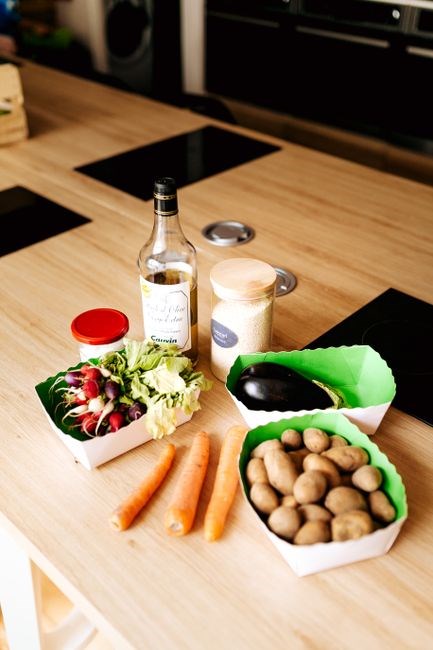
Fortified plant milks, whole‑grain cereals, lentils, chickpeas, tofu, pumpkin seeds, spinach, and black beans supply non‑heme iron․ Pair with vitamin C foods to boost absorption․ Rotate varieties to meet daily needs․ Add cereals and legumes daily for absorption․
Fortified Plant Milks and Grains
In the PDF table, fortified plant milks and whole‑grain cereals are highlighted as key non‑heme iron sources for vegetarians and vegans․ A typical 250‑ml serving of fortified soy milk delivers about 3․5 mg of iron, while oat milk offers 2․8 mg per cup․ Whole‑grain breads, such as sprouted wheat or quinoa‑based loaves, contain 2․0–2․5 mg per 100 g․ The table also lists iron‑enriched breakfast cereals, which can provide 5–7 mg per 100 g, depending on fortification levels․ These values are expressed per 100 g of product, allowing easy comparison with other categories․ Importantly, the iron in fortified milks is highly bioavailable because it is added in the ferrous sulfate form, which is readily absorbed․ The table notes that pairing these milks with vitamin C‑rich foods—like citrus fruits or bell peppers—can further enhance iron uptake․ For meal planning, the PDF suggests incorporating a fortified milk in smoothies or using fortified cereals as a breakfast base, ensuring a steady intake of iron throughout the day․ The data also show that fortified grains are a reliable source for those who avoid animal products, providing a convenient way to meet daily iron requirements while maintaining a plant‑based diet․ This section of the table emphasizes the importance of checking labels for fortification claims and selecting products with the highest iron content per serving․ By integrating fortified plant milks and grains into regular meals, individuals can achieve a balanced iron intake without compromising dietary preferences․ Fortified milks give 3–4 mg iron per cup!
Dark Leafy Greens
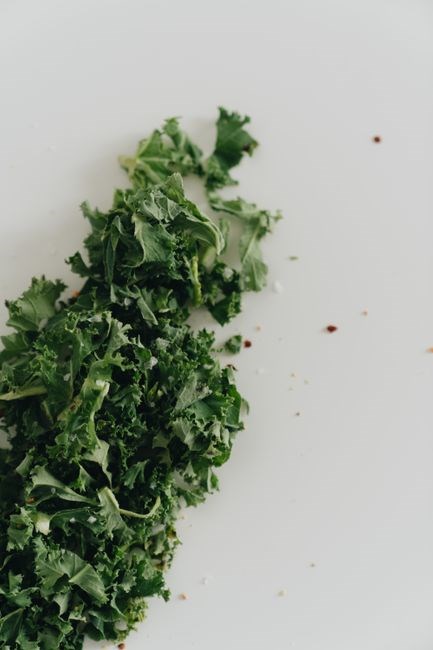
Dark leafy greens are a cornerstone of plant‑based iron nutrition, and the PDF table provides precise values for each․ Spinach offers 2․7 mg of iron per 100 g, Swiss chard 2․5 mg, collard greens 1․8 mg, and kale 1․5 mg․ These figures represent non‑heme iron, which is less readily absorbed than heme iron but can be significantly enhanced by vitamin C․ The table shows that lightly sautéed spinach releases more iron (3․6 mg per 100 g cooked) than raw spinach (2․7 mg)․ Cooking also reduces phytate content, improving bioavailability․ Pairing these greens with citrus, tomatoes, or bell peppers boosts absorption․ The PDF emphasizes that a 100‑g serving of cooked spinach delivers 3․6 mg, while raw spinach provides 2․7 mg, illustrating the impact of preparation․ For vegans and vegetarians, incorporating a mix of these greens into salads, smoothies, or soups can help meet daily iron needs․ The table also notes that beet greens, a lesser‑known source, provide 2․4 mg per 100 g․ The PDF advises checking labels for added iron in fortified products, but for natural greens, the iron is naturally present․ This section underscores the importance of variety, preparation methods, and vitamin C pairing to maximize iron uptake and support overall health․