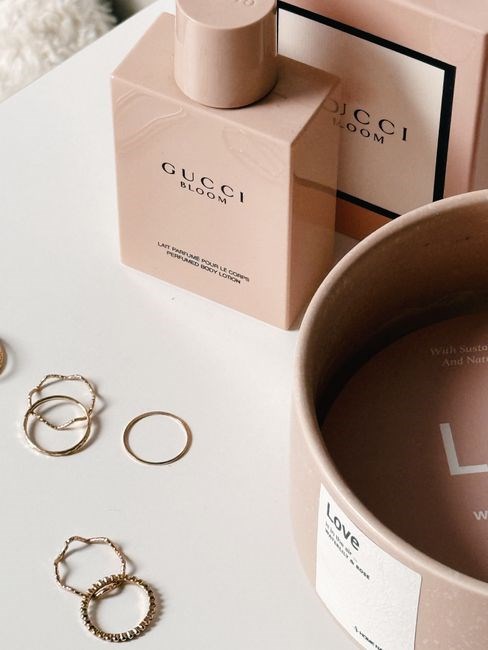
scent guide
A scent guide helps you navigate fragrance choices, offering insights into notes, families, and how scents interact with personality and occasion. It empowers informed decisions, turning perfume selection into a personalized, confident experience.Enjoy!!!.
What is a scent guide?
A scent guide helps you navigate fragrance choices. A scent guide helps you navigate fragrance choices. A scent guide helps you navigate fragrance choices. A scent guide helps you navigate fragrance choices. A scent guide helps you navigate fragrance choices. A scent guide helps you navigate fragrance choices. A scent guide helps you navigate fragrance choices. A scent guide helps you navigate fragrance choices. A scent guide helps you navigate fragrance choices. A scent guide helps you navigate fragrance choices. A scent guide helps you navigate fragrance choices. A scent guide helps you navigate fragrance choices. A scent guide helps you navigate fragrance choices; A scent guide helps you navigate fragrance choices. A scent guide helps you navigate fragrance choices. A scent guide helps you navigate fragrance choices. A scent guide helps you navigate fragrance choices. A scent guide helps you navigate fragrance choices. A scent guide helps you navigate fragrance choices. A scent guide helps you navigate fragrance choices; A scent guide helps you navigate fragrance choices. A scent guide helps you navigate fragrance choices. A scent guide helps you navigate fragrance choices. A scent guide helps you navigate fragrance choices.and more insights for y.
Importance of scent in everyday life
In daily routines, scent shapes perception, mood, and memory. A subtle fragrance can signal cleanliness, while a bold aroma may signal confidence. Studies show that certain scents trigger emotional responses: lavender calms, citrus energizes, and vanilla comforts. In professional settings, a pleasant scent can enhance first impressions. Increase perceived approachability, and even boost productivity. In personal spaces, the right scent can transform a room, creating a sense of belonging and comfort. Moreover, scent plays a role in social bonding; shared aromas can strengthen relationships and evoke nostalgia. Understanding these effects allows individuals to choose fragrances that align with their goals, whether it’s a calm morning routine, a confident business meeting, or a cozy evening at home. By integrating scent thoughtfully, people can influence their own well-being and the atmosphere around them, turning everyday moments into intentional, aromatic experiences; This aromatic toolkit invites selection, enhancing daily rituals.
Understanding Fragrance Families
Fragrance families categorize scents by dominant notes, guiding selection. Floral, woody, citrus, oriental, and groups reflect groups and evoke moods. Recognizing these helps match perfume to personality and occasion!!!
Floral fragrances are the quintessential bouquet of scent, capturing the essence of blossoms, gardens, and the subtlety of nature’s perfume. They are often the first choice for those seeking elegance, romance, and a touch of femininity. The floral family is subdivided into several sub‑categories, each with its own signature notes and moods.
- Light Floral: Crisp, airy, and often featuring jasmine, lily, or gardenia. These scents are ideal for daytime wear, offering a fresh, uplifting aura.
- Heavy Floral: Richer, more saturated, with notes of rose, peony, or tuberose. They convey depth and sophistication, suitable for evening or special occasions.
- Green Floral: Combining floral with green, leafy undertones, such as basil, mint, or fresh-cut grass, creating a vibrant, natural feel.
- Powdery Floral: Soft, velvety, with hints of iris, violet, or musk, delivering a gentle, nostalgic touch.
When choosing a floral scent, focus on base notes that support the blossoms. Woods, musks, or amber add longevity, while citrus or green accents brighten the blend. Lighter florals suit spring and summer; richer ones fit autumn and winter, letting you match scent to mood for any event anytime.
Woody fragrances capture the earth’s essence through cedar, sandalwood, vetiver, and patchouli. They offer depth, warmth, and versatility, making them a staple for both genders. The woody family splits into sub‑categories, each with a unique mood. Their woody accords evoke the scent of a forest after rain, blending resinous, smoky, and earthy tones that linger on the skin. Enjoy.
- Dry Wood: Clean cedar or sandalwood, airy and subtle, ideal for daytime.
- Smoky Wood: Rich, deep, with incense or tobacco, perfect for evening.
- Earthy Wood: Patchouli, vetiver, oakmoss, rugged and natural, great outdoors.
- Spiced Wood: Cinnamon, clove, pepper, lively twist to classic wood.
When choosing a woody scent, balance base notes for longevity. Combine cedar with amber or musk for depth, add citrus or floral accents for brightness. Woody perfumes work across seasons: lighter woods in spring/summer, heavier in fall/winter. Their timeless appeal keeps them reliable for daily confidence and special occasions. Layering with a light citrus top note brightens the scent. Its balanced composition ensures the fragrance stays fresh for hours, making it for morning meetings and evening gatherings!!
Citrus fragrances burst with bright, zesty notes that lift the spirit and energize the senses. They blend top notes of lemon, bergamot, grapefruit, and orange with heart layers of neroli or petitgrain, finishing on a crisp, clean base of musk or light amber. The result is a fresh, airy scent that feels like a sunny morning. Citrus perfumes are versatile, suitable for casual wear, office settings, or outdoor adventures. Their lively character pairs well with light fabrics and warm weather, yet can be layered with subtle floral or woody accents for depth. When selecting a citrus fragrance, consider the intensity of the citrus top: a sharp, sharp lemon offers a sharp edge, while a mellow orange delivers softness. Pairing citrus with green notes such as basil or mint can create a green‑citrus hybrid, ideal for spring. For a more complex profile, blend citrus with a hint of spice, such as ginger or cardamom, to add warmth without overpowering the freshness. Layering techniques include applying a citrus top note first, followed by a heart of floral or green, and finishing with a light base to maintain longevity. Enjoy the uplifting, clean aura of citrus scents, and let them brighten every moment of your day. This fragrance is a companion for every occasion, blending bright citrus with subtle undertonesnow.!
Oriental fragrances are a rich tapestry of warm, exotic notes that evoke distant lands and ancient traditions. At the heart of this family lies a blend of resins, spices, and sweet accords that create a sensual, enveloping aura. Top notes often feature bright, aromatic spices such as cinnamon, cardamom, or clove, which give a lively opening that quickly settles into a deeper, more opulent core. The heart of an Oriental perfume is typically dominated by floral or fruity nuances—jasmine, rose, or orange blossom—intertwined with a generous dose of amber, vanilla, or honeyed tonka bean. These sweet, creamy layers provide a velvety softness that balances the initial spice. The base is where the true character emerges: rich woods like sandalwood or cedar, smoky oud, and earthy patchouli combine with warm, resinous balsams such as myrrh or frankincense. Together, they anchor the fragrance, offering depth and longevity that can linger on the skin for hours. Oriental scents are often described as “warm, sensual, and slightly mysterious,” making them ideal for evening wear, special occasions, or cooler seasons when a touch of luxury is desired; Their warm layering invites experimentation—layering green fragrance on top brightens the scent, while adding a subtle musk or leather deepens its sensual.
Fresh
Fresh fragrances embody crisp, clean sensations that evoke breezy mornings, sea spray, or freshly cut grass. Their top notes often feature bright citrus—lime, bergamot, grapefruit—or green apple, which deliver an immediate, sparkling opening. The heart may include airy herbs like basil, mint, or lavender, adding a subtle, botanical nuance that keeps the scent lively. Base notes are typically light and airy, such as musk, white cedar, or subtle floral petals, ensuring the fragrance remains transparent and breathable. Fresh scents are designed to be uplifting, often used for daytime wear, workouts, or casual outings. They pair well with other fragrance families, allowing layering with a touch of floral or a hint of woody base to add depth without overpowering. The overall effect is a clean, invigorating aura that refreshes the senses and enhances confidence. Fresh perfumes are versatile, suitable for all seasons, and especially ideal for spring and summer when the air feels light and unencumbered. Their subtlety and clarity make them a staple for those who prefer understated elegance and a scent that feels like a gentle breeze on a warm day.
Its versatility extends to layering with musk or splash notes, creating a nuanced scent that evolves throughout the day. The lightness of fresh perfumes makes them ideal for travel, as they do not cling to fabrics.!!!
How to Identify Your Personal Scent Profile
Identify your scent DNA by noting notes, how scents linger, and reactions to perfumes Reflect on personality, mood to match fragrance family that resonates with your essence Experiment, trust intuition!
Self‑assessment tools
Discovering your fragrance fingerprint begins with a simple yet powerful self‑assessment routine. Start by cataloguing the scent notes that naturally draw you—whether it’s the crisp bite of citrus, the warm embrace of vanilla, or the earthy whisper of sandalwood. Use a scent wheel or digital app to match these preferences to established fragrance families. Next, create a “scent diary”: each day, record the perfume you wear, the setting, and how it feels on your skin over time. Pay attention to the longevity and projection; a fragrance that fades quickly may not suit a busy professional schedule, while a long‑lasting scent can be ideal for social events. Pair this diary with a mood tracker—note your emotional state when wearing each scent. Patterns emerge: you might find that bright, airy fragrances lift your spirits during morning routines, whereas deeper, musky tones ground you during evening relaxation. Finally, test small sample vials in varied lighting and environments to see how the fragrance evolves. By combining note identification, longevity assessment, mood correlation, and environmental testing, you build a comprehensive profile that guides future purchases. Remember, fragrance is a personal narrative; choose scents that echo your essence and let each spritz be story.
Professional scent profiling services
When you seek a deeper, science‑backed understanding of fragrance, professional scent profiling offers a tailored, data‑rich experience. Certified perfumers or fragrance consultants conduct a series of structured interviews, asking about lifestyle, personality traits, and olfactory memories. They often employ psychometric tools—questionnaires that map scent preferences to personality dimensions such as openness, conscientiousness, or extraversion. The results are translated into a fragrance matrix, aligning your profile with specific scent families and sub‑notes. In addition, many services include a “skin‑reaction test”: small vials of candidate fragrances are applied to the wrist, forearm, or inner elbow, and the wearer observes how the scent develops over 24 hours. This step reveals the true projection, longevity, and potential interactions with body chemistry. Some advanced platforms integrate wearable technology, capturing real‑time data on temperature and pH to predict how a fragrance will evolve on your skin. After analysis, the consultant recommends a curated selection of perfumes, often including exclusive or niche options that match your profile. They also provide guidance on layering, seasonal adjustments, and how to build a cohesive scent wardrobe. Clients report confidence, fragrance a subtle extension!?
Selecting the Right Scent for Different Occasions
Choose fragrance by occasion: light, fresh scents for day; richer deeper accords for evening. Match intensity to event scale, consider season—cool, citrusy for summer; warm, spicy for winter
Daily wear
When selecting a fragrance for everyday use, prioritize versatility and subtlety. A light, fresh scent with citrus or green notes often complements a busy schedule, providing a clean, invigorating aura without overwhelming the senses. Opt for moderate concentration—Eau de Toilette or lighter Eau de Parfum—to ensure longevity while maintaining a discreet presence in office or casual settings.
Consider the climate and your personal routine. In warmer months, airy florals or aquatic accords can keep you feeling refreshed, whereas cooler seasons benefit from soft amber or mild musk that offers a gentle warmth. Layering a mild body lotion or unscented moisturizer can help the fragrance settle and extend its wear time without intensifying the aroma beyond comfort.
Finally, test a sample on your skin before committing. The interaction between your body chemistry and the perfume’s notes can alter the perceived intensity. A small, well‑chosen scent can become a signature element of your daily identity, enhancing confidence without demanding attention.
Daily fragrance choices blend personal style and comfort. A light top note, moderate heart, and subtle base create a scent that adapts to any setting, enhancing confidence while remaining subtle and personal.!!!??
Special events
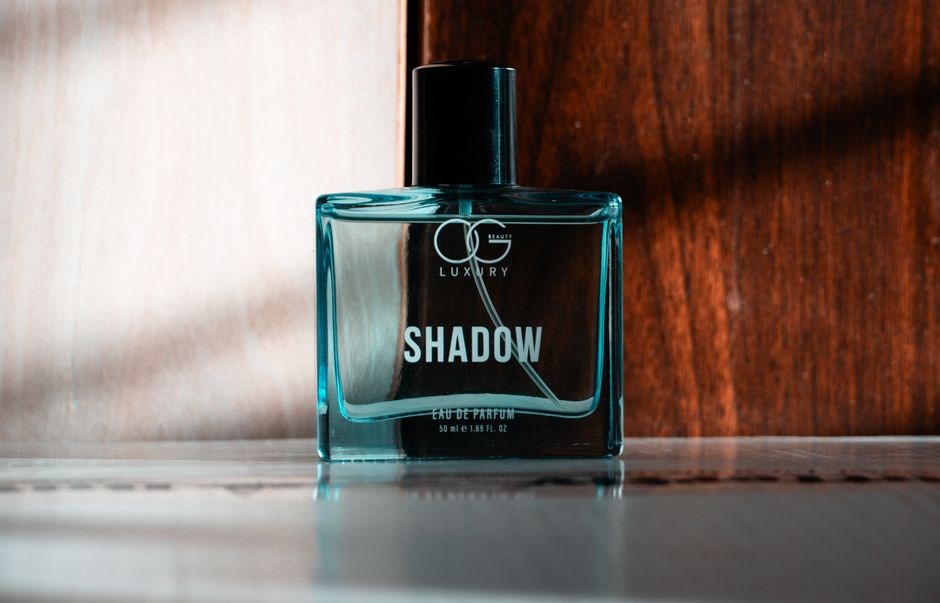
Choosing a fragrance for a special occasion demands a balance between impact and longevity. Start by identifying the event’s tone—formal, celebratory, or intimate—and select a scent that complements the atmosphere. Rich, warm accords such as amber, vanilla, or patchouli exude sophistication, while sparkling citrus or floral notes add a celebratory sparkle. A moderate to high concentration—Eau de Parfum or Parfum—ensures the fragrance lingers throughout the evening without becoming overpowering.
Layering is a subtle art: apply a matching scented body lotion or a light perfume mist to deepen the scent’s projection. Test the fragrance in a small, controlled area before full application; this helps gauge how the perfume evolves on your skin over time. Remember that a single, well‑chosen scent can become a memorable signature, enhancing your presence without competing with music or conversation. Its subtlety ensures it never clashes with conversation!
Consider the venue’s environment—indoor or outdoor, temperature, and ventilation influence how the fragrance disperses. A lighter scent suits outdoor events, while richer notes work well indoors. The right choice reflects personal style and the event’s character, creating a harmonious experience that lingers after the night ends.
Seasonal preferences
Choosing the right fragrance for each season involves understanding how temperature, humidity, and personal mood influence scent perception. In spring, fresh, floral, and green accords echo blooming gardens, while light citrus notes brighten the air. Summer favors airy, aquatic, or citrus‑heavy blends that stay crisp on humid skin. Autumn calls for warm, spicy, or woody tones that evoke crisp leaves and cozy fires, and richer, deeper scents linger longer in cooler air. Winter embraces deep, resinous, or gourmand accords that provide comforting warmth and a sense of luxury. Pairing seasonal fragrances with lifestyle activities—outdoor hikes, office routines, or holiday gatherings—ensures the scent enhances rather than overwhelms the experience. Rotating your collection seasonally also keeps your olfactory palette fresh and prevents scent fatigue. By aligning fragrance choices with the natural rhythm of the year, you create a harmonious, personalized scent journey that feels both timely and timeless.
Seasonal scent cycles affect how fragrances mingle with body oils; Weather amplifies spicy and resinous notes; cooler air brings out citrus floral accords. Rotating scents with the seasons keeps them prevents over‑exposure, ensuring each fragrance feels fresh year now
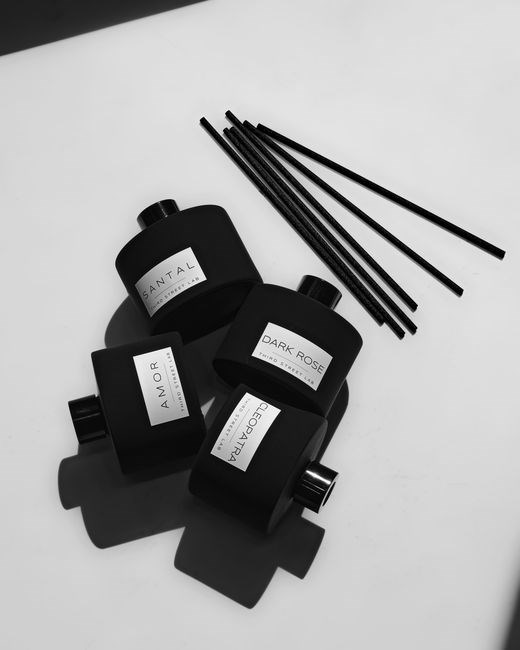
Maintaining and Storing Your Scent Collection
Store bottles in a cool, dark place, away from light and heat. Keep caps sealed, avoid humidity, use a drawer or box. Rotate usage to preserve longevity, and clean surfaces to prevent residue buildup.!
Proper storage techniques
Keeping your fragrance collection in pristine condition requires a blend of science and care. First, choose a storage area now Keep the bottles upright in a cool, dark place, avoiding direct sunlight and heat sources that can alter the scent carefully. Use silica gel packets or a dehumidifier to keep humidity below 50 % and prevent mold growth on caps during storage. always. Rotate fragrances every 3–5 years to use the freshest notes and avoid oxidation that dulls the aroma for longevity always! Store in a drawer with a soft lining to cushion bottles and prevent scratches that can affect the scent profile for safety!! Avoid storing bottles in the refrigerator or freezer; the cold can change the chemical composition of the fragrance always!!! Store in a cool, dark place to preserve fragrance now. When you open a bottle, let the perfume air out for a minute before applying; this releases the top notes to enjoy fully now. Keep the cap tightly closed to prevent evaporation and maintain the fragrance’s integrity for lasting scent!! Label each bottle with the purchase date and the first use date; this helps track freshness and plan rotation for better use. Finally, keep your collection away from pets and children; fragrance oils can be harmful if ingested or mishandled always!!! Enjoy!!! Safe!!!.
Rotating usage for longevity
Implement a rotation schedule that balances freshness and preservation. Assign each fragrance a weekly slot, ensuring you use a different scent every day. This prevents any single bottle from sitting idle for extended periods, which can cause oxidation and loss of top notes. Keep a logbook or digital tracker to note when each bottle was opened and when it was last applied. When a fragrance has been used for three consecutive weeks, move it to a storage area for a brief rest, allowing the scent molecules to settle. After a rest period of two weeks, reintroduce it to the rotation. This cycle keeps the fragrance profile vibrant and extends the overall shelf life. Additionally, always apply a small amount to pulse points and allow the perfume to dry naturally before layering with other products. Avoid excessive layering, as it can alter the intended scent profile. By following a disciplined rotation routine, you maintain a diverse collection that remains fresh and aromatic for months, if not years, ensuring each fragrance delivers its full olfactory potential whenever you choose to wear it. This systematic approach not only preserves the integrity of each fragrance but also enhances your overall olfactory experience, allowing you to enjoy a fresh scent every time you reach for a bottle. Enjoy!