kenmore gas stove manual
Kenmore Gas Stove Manual: A Comprehensive Guide
This manual details the 30-inch freestanding electric range, model 970C503720, offering guidance on parts like the flame sensor (3497849/3589846) and safety valve (316031501)․
Understanding Your Kenmore Gas Stove
Your Kenmore gas stove, potentially model 970C503720, is a sophisticated appliance requiring careful operation and maintenance․ Familiarize yourself with its components, including the burner assembly and igniter system, for safe and efficient use․ Understanding the control panel functions is crucial for selecting desired cooking modes․
Regular cleaning, particularly of the burners, ensures optimal performance․ Should issues arise, such as a burner failing to light or the oven not heating, consult the troubleshooting section․ Replacement parts, like the igniter (5303935066) or range safety valve (316031501), are readily available․
Always prioritize safety, being aware of gas leak and carbon monoxide risks․
Model Number Identification
Locating your Kenmore gas stove’s model number is essential for accessing the correct documentation and replacement parts․ The model number, such as 970C503720, is typically found on a label affixed to the appliance’s frame․ This label is often located behind the oven door, on the side of the stove, or on the back panel․
Having the correct model number ensures you order compatible components, like the Whirlpool Kenmore Gas Dryer Flame Sensor (3497849/3589846) or the Range Safety Valve (316031501)․ It also allows you to download the specific manual tailored to your stove’s features and specifications․ Accurate identification streamlines repairs and maintenance․
Locating the Manual Online
Finding your Kenmore gas stove manual online is often the quickest and most convenient option․ Numerous websites specialize in appliance manuals and parts diagrams․ Searching using your specific model number – for example, 970C503720 – will yield the most accurate results․
Whirlpool/Kenmore support websites are excellent resources, offering downloadable PDFs and troubleshooting guides․ Online repair forums can also provide access to manuals shared by other users․ Remember to verify the manual’s compatibility with your stove, especially when dealing with parts like the igniter (5303935066) or safety valve (316031501)․
Safety Precautions
Prioritizing safety is paramount when operating a Kenmore gas stove․ Always be vigilant for gas leaks; if suspected, immediately shut off the gas supply and ventilate the area․ Carbon monoxide awareness is crucial – install a detector and ensure proper ventilation during use․
Regularly inspect the burner assembly and igniter system for damage; Never attempt repairs yourself if you are not qualified․ Familiarize yourself with the range safety valve (ERP: 316031501) and its function․ Keep flammable materials away from the stove, and supervise children closely․ Proper maintenance, including burner cleaning, contributes to safe operation․
Gas Leak Safety
Immediate action is critical if a gas leak is suspected; Do not operate any electrical switches – this includes lights! – as sparks can ignite the gas․ Immediately shut off the gas supply at the main valve․ Open windows and doors to thoroughly ventilate the area, allowing the gas to dissipate․
Evacuate all occupants, including pets, from the premises․ From a safe location, contact your gas company or emergency services․ Do not re-enter the building until authorized by professionals․ Regular inspection of connections and hoses can help prevent leaks․ Remember, a gas leak is a serious hazard requiring swift and decisive action․
Carbon Monoxide Awareness
Carbon monoxide (CO) is a colorless, odorless, and deadly gas produced by incomplete combustion of fuels like natural gas․ Your Kenmore gas stove, if not properly ventilated, can potentially release CO․ Install CO detectors on every level of your home, especially near sleeping areas, and test them regularly․
Recognize the symptoms of CO poisoning: headache, dizziness, weakness, nausea, vomiting, chest pain, and confusion․ If anyone experiences these symptoms, immediately evacuate and call emergency services․ Ensure proper ventilation when using the stove, and never use it for heating your home; Regular maintenance helps prevent CO buildup․
Stove Components Overview
Your Kenmore gas stove comprises several key components working in unison․ The burner assembly distributes gas for cooking, while the igniter system initiates combustion․ Crucially, the range safety valve (ERP: 316031501, Y-76000-10) regulates gas flow, ensuring safe operation․ The control panel manages burner intensity and oven functions․
Understanding these parts aids in troubleshooting․ A faulty igniter (Part Number 5303935066) can prevent burner ignition․ The flame sensor (3497849/3589846) verifies a stable flame․ Proper function of each component is vital for efficient and safe cooking․ Regular inspection and cleaning are recommended․
Burner Assembly
The burner assembly is the heart of your Kenmore gas stove’s cooking capability․ It consists of the burner cap, burner head, and gas orifice, all designed to evenly distribute gas for consistent heating․ Proper alignment and cleanliness are essential for optimal performance․ A clogged orifice restricts gas flow, leading to uneven flames or burner failure․
Regular cleaning prevents buildup and ensures efficient combustion․ Inspect the burner assembly for any damage, such as cracks or corrosion․ A malfunctioning burner assembly may require component replacement to restore proper functionality․ Maintaining this assembly guarantees safe and effective cooking results․
Igniter System
The igniter system is crucial for initiating gas flow to the burners․ It utilizes a spark to ignite the gas, eliminating the need for a pilot light․ The oven igniter, part number 5303935066, is a key component, responsible for igniting the oven burner․ A faulty igniter prevents burners from lighting, requiring replacement for proper stove operation;
Consistent sparking is vital; a weak or intermittent spark indicates a failing igniter․ Inspect the igniter for cracks or damage․ Replacement is a straightforward process, but ensure the gas supply is shut off before commencing any repairs․ A functioning igniter system ensures safe and reliable stove operation․
Control Panel Functions
The control panel governs all stove operations, including burner ignition, oven temperature settings, and bake/broil modes․ While specific functions vary by model, common controls include burner knobs for adjusting flame intensity and oven control knobs for selecting desired cooking modes and temperatures․ Digital models may feature electronic touch controls for precise settings․
Understanding the panel’s layout is essential for safe and efficient use․ Familiarize yourself with each control’s function before operation․ Incorrect settings can lead to undercooked or overcooked food, or even potential safety hazards․ Refer to the full manual for detailed explanations of all control panel features․
Operating Instructions
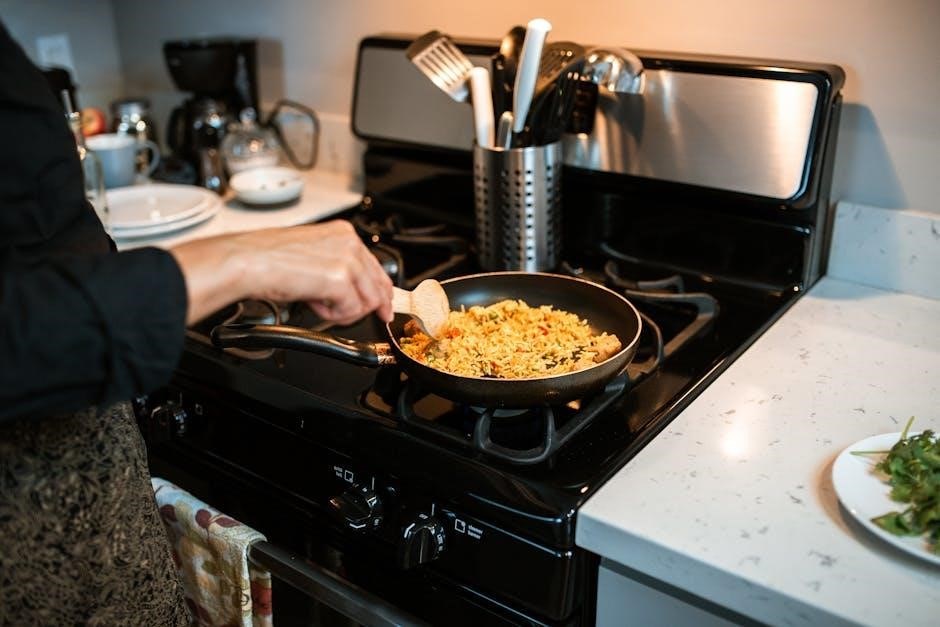
Before first use, ensure the stove is properly connected to a gas supply․ To light burners, rotate the corresponding knob to the ‘LITE’ or ‘HIGH’ position and simultaneously press and hold the igniter button until the burner ignites․ If it doesn’t light within a few seconds, turn off the gas and repeat the process․ For oven operation, select ‘BAKE’ or ‘BROIL’ and set the desired temperature using the oven control knob․
Always supervise cooking and never leave a lit stove unattended․ Refer to the manual for specific instructions related to your model’s features and safety precautions․
Lighting the Burners
To ignite a burner, rotate the control knob to the ‘LITE’ or ‘HIGH’ setting․ Simultaneously, press and hold the igniter button – you should hear a clicking sound․ Continue holding the igniter button until the burner consistently flames․ If the burner fails to light after several attempts, turn the gas control knob to the ‘OFF’ position, wait five minutes for gas to dissipate, and repeat the lighting procedure․
Ensure the burner ports are clean for optimal ignition․ Never attempt to light a burner manually with a match or lighter․
Oven Operation – Bake Mode
To utilize the bake mode, first, ensure the oven is empty of any obstructions․ Rotate the oven control knob to the ‘BAKE’ setting․ Then, set the desired baking temperature using the temperature control knob․ The oven will begin preheating, and an indicator light will illuminate․ Allow sufficient preheating time before placing food inside – typically 10-15 minutes․
Monitor the cooking process and adjust the temperature as needed․ Once baking is complete, turn the oven control knob to the ‘OFF’ position․
Oven Operation – Broil Mode
For broiling, ensure the oven door is positioned correctly – consult your full manual for specific instructions, as some models require the door to be ajar during broiling․ Rotate the oven control knob to the ‘BROIL’ setting․ The broil element will ignite, providing direct, intense heat from above․
Position the oven rack appropriately, typically closer to the broil element for faster cooking and further away for slower cooking․ Monitor food closely during broiling to prevent burning․ Once finished, turn the oven control knob to ‘OFF’․
Cleaning and Maintenance
Regular cleaning maintains your Kenmore gas stove’s performance and longevity․ For the self-clean cycle, remove all racks and accessories, then follow the oven’s specific self-clean instructions – typically involving locking the door and running a high-temperature cycle․
Exterior surfaces should be cleaned with mild soap and water․ Burners can be removed and soaked in warm, soapy water for easier cleaning․ Ensure all parts are completely dry before reassembling; Consistent maintenance prevents buildup and ensures optimal operation․
Burner Cleaning Procedures
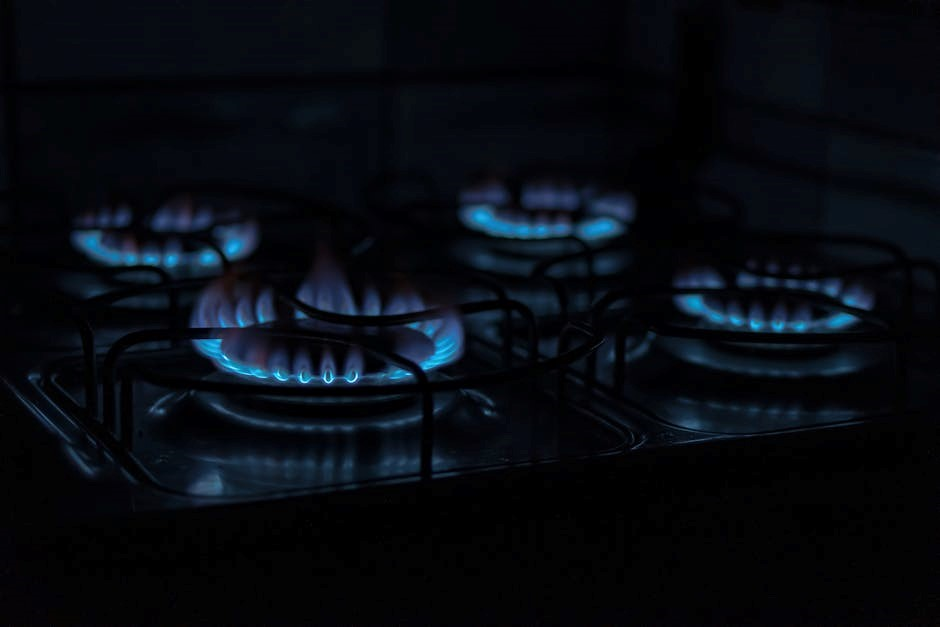
Maintaining clean burners is crucial for efficient gas stove operation․ Begin by ensuring the stove is cool and turned off․ Carefully remove burner caps and heads; these can be soaked in warm, soapy water to loosen food debris․ Use a non-abrasive brush or cloth to scrub away any remaining residue, paying attention to port openings․
For stubborn buildup, a small wire or pin can gently clear blocked ports․ Rinse thoroughly and ensure all parts are completely dry before reassembling․ Proper burner cleaning ensures consistent flame quality and prevents uneven heating․
Oven Cleaning – Self-Clean Cycle
The self-clean cycle utilizes high temperatures to burn away oven residue․ Before initiating, remove racks, cookware, and any loose debris․ Ensure proper ventilation by opening windows․ Select the self-clean cycle on the control panel, choosing the desired cleaning duration – typically 2 to 4 hours․
The oven door will automatically lock during operation․ Once complete, allow the oven to cool completely before unlocking and wiping away any remaining ash․ Caution: Avoid touching the oven during or immediately after the cycle due to extreme heat․
Exterior Cleaning Recommendations
Maintaining a clean exterior enhances your Kenmore gas stove’s appearance and longevity․ Regularly wipe down the stovetop, control panel, and sides with a damp cloth and mild dish soap․ Avoid abrasive cleaners, as they can scratch the surfaces․
For stubborn stains, a stainless steel cleaner may be used on compatible surfaces – always test in an inconspicuous area first․ Pay attention to burner grates and caps, removing them for thorough cleaning․ Dry all surfaces completely after cleaning to prevent water spots and corrosion․ Caution: Never spray cleaner directly onto the control panel․
Troubleshooting Common Issues
Encountering problems with your Kenmore gas stove is often easily resolved․ If a burner won’t light, check the gas supply and ensure the igniter is sparking – part number 5303935066 may need replacement․ For an oven that isn’t heating, verify the bake or broil element is functioning correctly․

Igniter problems are common; a faulty igniter prevents gas ignition․ If issues persist, consult the error codes or consider a range safety valve replacement (ERP: 316031501)․ Remember safety first – disconnect power before any inspection or repair attempts․
Burner Won’t Light
If a burner fails to ignite, several factors could be at play․ First, confirm the gas supply is active and connected correctly․ Next, visually inspect the burner ports for any blockages – food debris or spills can obstruct gas flow․ Crucially, check the igniter; it should produce a consistent spark when the knob is turned․
A weak or absent spark indicates a potential igniter issue, requiring replacement with part number 5303935066․ Ensure the igniter is properly aligned with the burner․ If problems continue, a professional gas appliance technician should be consulted for safety․
Oven Not Heating
When the oven fails to heat, begin by verifying the control panel settings are correct – ensure bake or broil mode is selected and the desired temperature is set․ Check the gas supply to the oven; a disconnected or insufficient supply will prevent heating․ Inspect the igniter within the oven, confirming it glows consistently when the oven is activated․
A faulty igniter or a malfunctioning range safety valve (ERP: 316031501) could be the cause․ If the igniter doesn’t glow, replacement is necessary․ For safety reasons, professional assistance is recommended for valve or gas-related repairs․
Igniter Problems & Replacement (Part Number 5303935066)
A failing igniter is a common cause of burner lighting issues․ If the igniter clicks but doesn’t ignite the gas, or glows weakly, replacement is likely needed․ Part number 5303935066 identifies the correct oven igniter for many Kenmore gas stoves․ Before replacing, ensure the gas supply is shut off as a crucial safety precaution․
Disconnect power to the stove․ Access the igniter, typically located near the burner, and carefully disconnect the wires․ Install the new igniter, reconnecting the wires securely․ Test the burner to confirm proper ignition․ If problems persist, consult a qualified technician․
Replacing Parts
Maintaining your Kenmore gas stove often requires replacing worn components․ Finding compatible parts is crucial for safe and effective repairs․ For example, a Whirlpool Kenmore Gas Dryer Flame Sensor (Pat No 3497849, 3589846) might be needed for related gas appliance issues․ Similarly, the Range Safety Valve (ERP: 316031501) is a critical safety component․
Always verify the part number before ordering․ Resources like appliance parts websites and the official Whirlpool/Kenmore support channels can assist in identification․ Prioritize genuine OEM parts for optimal performance and safety․ Remember to disconnect power and gas before any repair work begins․
Finding Compatible Parts (e․g․, Whirlpool Kenmore Gas Dryer Flame Sensor Pat No 3497849 3589846)
Locating the correct replacement parts for your Kenmore gas stove is essential․ While seemingly unrelated, the Whirlpool Kenmore Gas Dryer Flame Sensor (Part Numbers 3497849 and 3589846) illustrates the importance of precise matching․ Cross-referencing part numbers ensures compatibility, preventing malfunctions and maintaining safety․
Utilize your stove’s model number (e․g․, 970C503720) when searching online appliance parts retailers․ Websites specializing in Whirlpool and Kenmore parts often have detailed compatibility charts․ Always double-check the description and specifications before purchasing to guarantee a proper fit and function․
Range Safety Valve Replacement (ERP: 316031501)

The range safety valve (ERP: 316031501, also identified as Y-76000-10) is a critical component for gas stove safety․ Its primary function is to regulate gas flow to the burners, preventing leaks and ensuring safe operation․ Replacement should only be performed by a qualified technician due to the inherent risks associated with gas appliances․
A faulty safety valve can manifest as inconsistent burner flames or a complete inability to light․ When replacing, ensure the new valve is specifically compatible with your Kenmore model․ Proper installation and leak testing are paramount after replacement to guarantee safe and reliable performance․
Understanding Error Codes
While specific error codes for Kenmore gas stoves vary by model, understanding their general purpose is crucial for troubleshooting․ Error codes are diagnostic signals emitted by the stove’s electronic control system, indicating a detected malfunction․ These codes help pinpoint the source of the problem, streamlining the repair process․
Consult your specific Kenmore gas stove manual for a comprehensive list of error codes and their corresponding meanings․ Common issues triggering codes include igniter failure, sensor malfunctions, or gas supply problems․ Note the code carefully before contacting support or attempting repairs, as it provides valuable information for diagnosis․
Gas Supply and Connection
Proper gas supply and connection are paramount for safe and efficient operation of your Kenmore gas stove․ Ensure the stove is connected to a natural gas or propane supply, adhering to local codes and regulations․ A qualified technician should perform the initial connection and any subsequent modifications․
Verify the gas shut-off valve is fully open․ Regularly inspect the gas supply line for leaks using a soap and water solution – bubbles indicate a leak․ Never use a flame to check for leaks! Consider utilizing gas purging systems and appropriate fuel tanks for optimal performance and safety, as offered by suppliers like S&B․
Warranty Information
Kenmore gas stoves are backed by a manufacturer’s warranty, protecting against defects in materials and workmanship․ The warranty period varies depending on the specific model and components․ Typically, the main stove body carries a longer warranty than individual parts like the igniter (part number 5303935066) or the range safety valve (ERP: 316031501)․
To initiate a warranty claim, retain your proof of purchase and contact Whirlpool/Kenmore support directly․ Warranty coverage does not extend to damage caused by misuse, improper installation, or lack of maintenance․ Review the complete warranty documentation for detailed terms and conditions․
Exploded Diagram & Parts List (Model 970C503720)
A detailed exploded diagram is available for Kenmore gas stove model 970C503720, illustrating each component’s location and relationship to others․ This visual guide is invaluable when replacing parts, such as the gas dryer flame sensor (Pat No 3497849/3589846) or the dryer drum belt (Genuine OEM FSP)․
The accompanying parts list provides comprehensive identification numbers for every component, including the range safety valve (ERP: 316031501, Y-76000-10)․ Utilizing this diagram and list ensures accurate part selection during repairs and maintenance, streamlining the process․
Additional Resources
For further assistance with your Kenmore gas stove, Whirlpool/Kenmore support offers direct help and troubleshooting advice․ Numerous online repair forums provide a platform to connect with other owners and experienced technicians, sharing solutions to common issues․
These communities often discuss specific part numbers, like the oven igniter (5303935066), and offer guidance on replacement procedures․ Resources also extend to specialized components, such as desiccators, humidity indicators, and gas purging systems from suppliers like Samp;B, catering to diverse needs․
Whirlpool/Kenmore Support
Direct support from Whirlpool/Kenmore is readily available for owners experiencing issues with their gas stoves․ Their official channels provide access to a wealth of resources, including frequently asked questions, troubleshooting guides, and detailed manuals specific to your model – like the 970C503720․
You can often find assistance with identifying correct replacement parts, such as the flame sensor (3497849/3589846) or the range safety valve (316031501)․ Contacting their support team directly ensures you receive accurate and tailored advice for your Kenmore appliance, maximizing its lifespan and performance․
Online Repair Forums
Numerous online repair forums offer a collaborative platform for Kenmore gas stove owners to share experiences and solutions․ These communities are invaluable resources for diagnosing issues, particularly concerning parts like the igniter (5303935066), or understanding error codes․
Users frequently discuss troubleshooting steps and offer guidance on replacements, including the range safety valve (316031501) and even dryer components like the drum belt․ While advice should be vetted, these forums provide a diverse range of perspectives and can often pinpoint solutions not found in official documentation, aiding in effective appliance repair․
Safety Valve Details (Y-76000-10)
The range safety valve, identified as Y-76000-10, is a critical component ensuring safe gas flow to the Kenmore stove’s burners․ This valve, often referenced with ERP number 316031501, prevents gas leakage by regulating supply and shutting off flow in unsafe conditions․
Proper function is paramount for preventing hazards, making regular inspection and timely replacement essential․ A malfunctioning valve can lead to gas buildup, necessitating professional repair․ Understanding its role is vital for maintaining a safe cooking environment, alongside awareness of gas leak protocols and carbon monoxide detection․
Drum Belt Information (Genuine OEM FSP Whirlpool Kenmore Dryer Drum Belt)
While seemingly unrelated to a gas stove, information regarding Genuine OEM FSP Whirlpool Kenmore Dryer Drum Belts (part number 341241) appears within related appliance documentation․ This suggests a shared parts network or cross-referencing within the broader Whirlpool/Kenmore product line․
These belts, available in bulk wholesale, are crucial for dryer functionality, enabling the drum’s rotation during the drying cycle․ Though not directly impacting stove operation, their inclusion highlights the interconnectedness of appliance parts and sourcing within the manufacturer’s ecosystem․ Always verify compatibility before ordering any replacement parts․
Desiccators, Humidity Indicators & Gas Purging Systems
Though not directly related to the core function of a Kenmore gas stove, Brownell offers a comprehensive range of products including desiccators, humidity indicators, pressure relief valves, and gas purging systems․ These components are vital for maintaining optimal conditions in sensitive environments and specialized applications․
Their relevance to appliance maintenance lies in ensuring the purity and dryness of gases used within systems, potentially extending the lifespan and efficiency of gas-powered appliances․ While not a standard part of stove repair, understanding these systems demonstrates a commitment to comprehensive appliance care and safety protocols․
Fuel Tank & Intake Options
While a standard Kenmore gas stove utilizes a pre-existing natural gas or propane supply, Samp;B offers a range of fuel tank and intake options for alternative applications․ These solutions cater to scenarios requiring portable or independent gas sources, diverging from the typical residential setup․
For those exploring off-grid cooking or specialized setups, diesel-powered options and related products are available․ However, it’s crucial to emphasize that modifying a standard gas stove to accommodate these alternatives requires professional expertise and adherence to strict safety regulations․ Improper installation can lead to hazardous conditions․