bartenders guide jerry thomas
Jerry Thomas’ Bartenders Guide: A Comprehensive Overview
Jerry Thomas’s 1862 How to Mix Drinks, often called the “Bon-Vivants Companion,” stands as the foundational text for American mixology and cocktail culture․
Historical Significance & First Publication
Jerry Thomas’s Bar-Tenders Guide: How to Mix Drinks, or The Bon-Vivants Companion, published in 1862 by Dick & Fitzgerald in New York, marks a pivotal moment in beverage history․ Prior to this, bartending knowledge was largely oral tradition, passed down through apprenticeships․ Thomas codified this expertise, creating the first published book dedicated solely to cocktails and mixed drinks in America․
Its appearance coincided with a burgeoning cocktail culture and a growing middle class with disposable income for leisure and entertainment․ The guide wasn’t merely a recipe collection; it represented a professionalization of bartending, elevating it from a service trade to a skilled craft․ The scarcity of original first editions – with only nine copies recorded in institutions – underscores its historical importance and collectible value․
The Full Title: “How to Mix Drinks, or The Bon-Vivants Companion”
The complete title of Jerry Thomas’s landmark publication reveals much about its intended audience and scope․ “How to Mix Drinks” directly addresses the practical aspect – the art of cocktail creation․ However, “or The Bon-Vivants Companion” broadens the appeal, positioning the book as a guide for those who appreciate the good life, social gatherings, and refined tastes․
This dual nature reflects Thomas’s own persona – a skilled professional and a charismatic entertainer․ The title suggests a book not just about drinks, but about a lifestyle centered around them․ It promised readers access to the secrets of fashionable socializing, making it a desirable possession for aspiring hosts and cocktail enthusiasts of the era․
Publication Details: 1862 ⎯ Dick & Fitzgerald, New York
Jerry Thomas’s Bar-Tenders Guide was first published in 1862 by Dick & Fitzgerald in New York City․ This publishing house was known for producing affordable and popular books, making the guide accessible to a wider audience than more exclusive publications․ The timing coincided with a burgeoning cocktail culture in America, particularly in urban centers like New York․
The choice of New York as the publication location was strategic, reflecting the city’s status as a hub of innovation and social life․ Dick & Fitzgerald’s imprint lent credibility to Thomas’s work, helping to establish it as a definitive resource for bartenders and home enthusiasts alike․ The initial print run, though not precisely documented, likely aimed to capitalize on the growing demand for cocktail knowledge․
Rarity and Existing Copies
Original first editions of Jerry Thomas’s Bar-Tenders Guide are exceptionally rare today, making them highly sought after by collectors․ Records indicate that only a limited number were initially printed in 1862, and few have survived in good condition․ As of recent documentation, only nine copies are recorded in institutional collections worldwide, highlighting its scarcity․
This extreme rarity significantly drives up the value of any authentic first edition that appears on the market․ Modern reprint editions, like those published by Amazon and Barnes & Noble, offer accessible alternatives for those interested in the content․ However, these reproductions lack the historical significance and collector’s value of the original 1862 publication․
Content Breakdown of the Guide
The guide meticulously details cocktail, punch, cordial, and syrup recipes, alongside instructions for their creation, and even includes temperance beverage options․
Cocktail Recipes: A Vast Collection
Jerry Thomas’s Bar-Tenders Guide boasts an extensive and remarkably detailed collection of cocktail recipes, establishing a cornerstone of classic mixology․ These aren’t simply lists of ingredients; Thomas provides specific instructions, often detailing the precise method of stirring, shaking, or layering․
The recipes range from well-known staples of the era, like the Sazerac and Mint Julep, to more obscure and forgotten concoctions, offering a fascinating glimpse into 19th-century drinking habits․ He meticulously outlines proportions, sometimes offering variations, and frequently includes notes on presentation․ This dedication to detail is what sets his work apart and cemented its place as the first truly comprehensive cocktail book․
Punch Recipes: Traditional & Elaborate
Beyond cocktails, Jerry Thomas’s Bar-Tenders Guide dedicates significant space to the art of punch-making, reflecting its prominence in mid-19th century social gatherings․ These weren’t the simple, everyday punches we might envision today; Thomas’s recipes are often incredibly elaborate, calling for a wide array of spirits, wines, fruits, and spices․
He details both “plain” and “fancy” punches, with the latter involving complex layering and garnishing techniques․ The recipes demonstrate a clear understanding of balancing flavors and creating visually stunning presentations․ Thomas’s punch recipes offer a window into the lavish entertaining styles of the time, showcasing a dedication to hospitality and refined taste․
Cordials & Liqueurs: Manufacturing Instructions
A remarkable aspect of Jerry Thomas’s Bar-Tenders Guide is its inclusion of detailed instructions for the manufacture of cordials and liqueurs․ This wasn’t simply a cocktail recipe book; it aimed to equip bartenders with the knowledge to create their own ingredients from scratch․ Thomas provides recipes and processes for producing a vast range of flavored spirits, from fruit brandies to herbal liqueurs․
These sections reveal a level of self-sufficiency expected of professional bartenders in the 1860s․ He details maceration techniques, distillation processes (though often implicitly), and flavoring methods, offering a glimpse into the practical skills required to maintain a well-stocked and innovative bar․
Fancy Syrups: Production Techniques
Beyond basic sugar syrup, Jerry Thomas’s Bar-Tenders Guide dedicates significant space to “fancy syrups” – flavored syrups crucial for adding complexity and nuance to cocktails․ These weren’t merely sweeteners; they were integral components of drink recipes, providing aromatic and taste dimensions unavailable through spirits alone․ Thomas details methods for creating syrups infused with a diverse array of flavors, including fruits, flowers, and spices․
He outlines techniques for extracting flavors through maceration, decoction, and infusion, emphasizing the importance of quality ingredients and precise execution․ These sections demonstrate Thomas’s understanding of flavor chemistry and his commitment to elevating bartending beyond simple mixing․
Non-Alcoholic Beverages: Options for Temperance
Despite being a guide primarily focused on alcoholic cocktails, Jerry Thomas’s Bar-Tenders Guide acknowledges the growing temperance movement of the 19th century․ He dedicates a section to “non-intoxicating beverages,” recognizing a demand for sophisticated drinks without spirits․ These recipes weren’t simply afterthoughts; they showcased Thomas’s skill in balancing flavors and creating refreshing concoctions using fruit juices, syrups, and sparkling water․
He provides formulas for various “temperance punches” and flavored sodas, demonstrating his versatility as a drink creator․ This inclusion highlights the evolving social landscape and Thomas’s adaptability to cater to a wider clientele, even those abstaining from alcohol․
Jerry Thomas: The Man Behind the Guide
Jerry Thomas, known as “The Professor,” was a celebrated 19th-century American bartender famed for his showmanship and innovative cocktail techniques․
Who Was Jerry Thomas?
Jerry Thomas (c․ 1830 – February 15, 1885) revolutionized American bartending, transitioning it from a largely unskilled profession to a respected craft․ He began his career in New Orleans before gaining prominence in New York City, working at establishments like the City Hotel and later opening his own highly successful bars, including El Dorado․
Thomas wasn’t merely a drink-maker; he was a performer․ He was renowned for his flamboyant style, elaborate drink presentations – often involving tossing bottles and creating visually stunning cocktails – and meticulous attention to detail․ This theatrical approach elevated the bartender to a celebrity status, attracting a sophisticated clientele․ He authored How to Mix Drinks in 1862, solidifying his legacy and shaping cocktail culture for generations․
Thomas’s Pioneering Bartending Style
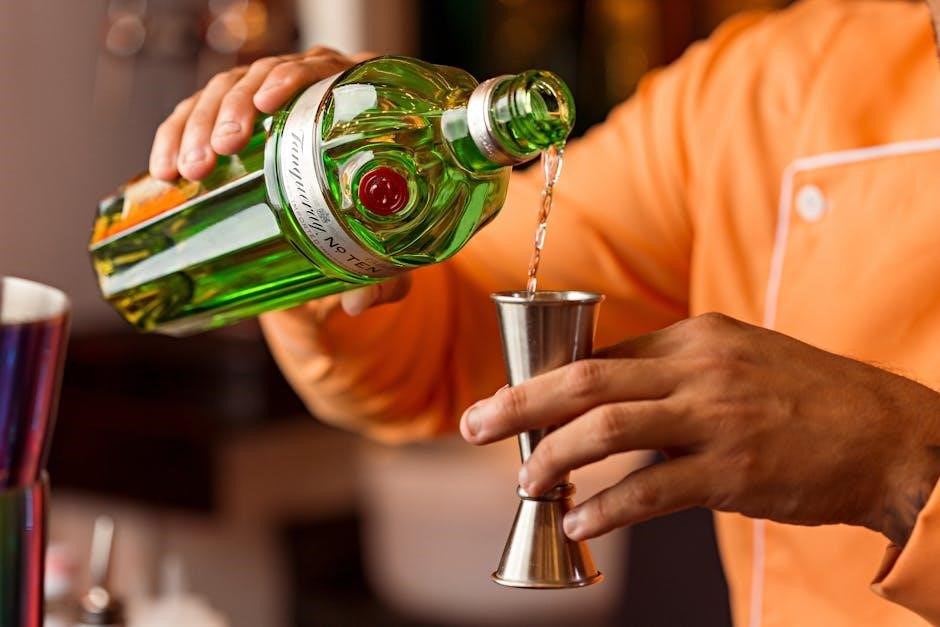
Jerry Thomas’s bartending style was remarkably innovative for its time, moving beyond simply pouring drinks to crafting an experience․ He emphasized precision in measurements and ingredient quality, a stark contrast to the often haphazard practices of earlier bartenders․ Thomas meticulously documented recipes, standardizing cocktail creation and laying the groundwork for modern mixology․
His flair for showmanship was equally significant․ He incorporated dramatic techniques – bottle tossing, flaming drinks, and elaborate garnishes – transforming bartending into a performance art․ This theatricality, combined with his dedication to quality, attracted a discerning clientele and established him as “The Professor,” a nickname reflecting his expertise and elevated status within the industry․
The “Professor” ⎯ His Nickname and Reputation
Jerry Thomas earned the moniker “The Professor” due to his unparalleled knowledge of drinks and his meticulous approach to bartending․ He wasn’t merely a server of alcohol; he was a chemist of flavors, carefully balancing ingredients and mastering techniques․ This expertise elevated him above his peers, establishing a reputation for both skill and sophistication․
His fame extended beyond the bar, as he became a celebrated figure in high society․ Thomas catered to elite events and garnered recognition for his innovative cocktails and captivating performances․ The “Professor” wasn’t just a nickname; it signified his authority and influence in shaping the emerging cocktail culture of the 19th century, solidifying his legacy․
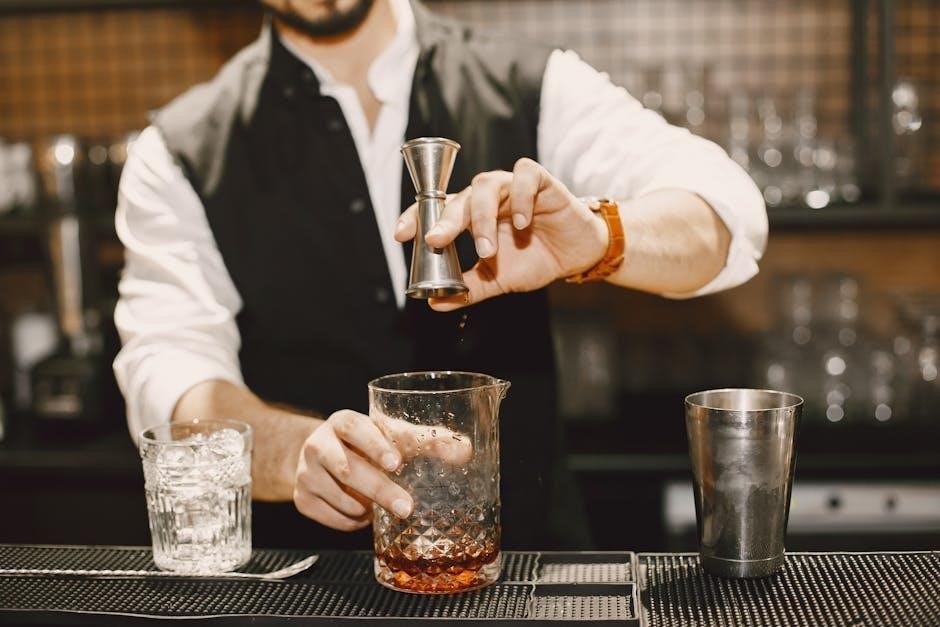
Impact and Legacy
Jerry Thomas’s guide revolutionized bartending, becoming the first recognized cocktail book and profoundly influencing modern mixology with its detailed recipes and techniques․
The First Recognized Cocktail Book
Before 1862, cocktail recipes were largely passed down orally or appeared sporadically in various publications lacking comprehensive focus․ Jerry Thomas’s How to Mix Drinks, or The Bon-Vivants Companion changed this entirely․ It wasn’t simply a collection of recipes; it was a meticulously organized guide detailing not just what to mix, but how to mix it, elevating bartending to a professional art form․
Historians widely acknowledge this work as the first book dedicated entirely to cocktails and mixed drinks in America․ Its impact extended beyond simply documenting existing drinks; it standardized recipes and introduced a level of showmanship previously unseen․ The book’s detailed instructions and emphasis on quality ingredients laid the groundwork for the modern cocktail renaissance, solidifying Thomas’s place as the “father of American mixology․”
Influence on Modern Bartending
Jerry Thomas’s Bar-Tenders Guide continues to resonate profoundly within the contemporary cocktail world, serving as a vital link to the origins of the craft․ Modern bartenders frequently consult the book, not just for historical recipes, but for insights into 19th-century techniques and flavor profiles․ The emphasis on fresh ingredients, precise measurements, and skillful execution—hallmarks of Thomas’s approach—remain central tenets of quality bartending today․
The book’s revival in recent decades has fueled a renewed interest in pre-Prohibition cocktails and a deeper appreciation for the artistry of the profession․ Contemporary mixologists often recreate historical drinks from the guide, adapting them for modern palates while honoring Thomas’s original vision․ His legacy is evident in the proliferation of craft cocktail bars and the increasing demand for expertly made classic drinks․
Reprint Editions and Continued Relevance
Due to its historical importance and enduring appeal, Jerry Thomas’s Bar-Tenders Guide has seen numerous reprint editions since its original 1862 publication․ These reproductions, like the 2026 edition available through Amazon and Barnes & Noble, ensure the book remains accessible to both enthusiasts and professionals․ The continued demand demonstrates its lasting relevance in the world of mixology․
These reprints often include facsimiles of the original text and illustrations, preserving the book’s unique character․ The inclusion of “A Manual for the Manufacture of Cordials, Liquors,” adds further value, offering a glimpse into the complete skillset of a 19th-century bartender․ Its scarcity in first edition—with only nine copies institutionally recorded—makes these reprints invaluable resources for studying cocktail history․

Analyzing the Guide’s Structure
The Bar-Tenders Guide organizes recipes, details ingredient use, and reflects 19th-century drink preferences, offering insight into the era’s cocktail culture and techniques․
Organization of Recipes
Jerry Thomas’s guide doesn’t follow a strictly modern categorization․ Instead, recipes are presented in a somewhat idiosyncratic order, reflecting the practices of the time and Thomas’s own preferences․ The book progresses from non-alcoholic options, through punches, and then into a vast collection of cocktails, categorized loosely by base spirit – whiskeys, brandies, gins, and rums each have dedicated sections․
Notably, the recipes aren’t always grouped by similarity in flavor profile or preparation method․ This can make browsing a bit challenging for modern readers, but it also offers a glimpse into how bartenders of the era thought about and constructed drinks․ The sheer volume of recipes—hundreds in total—is impressive, showcasing the breadth of the cocktail landscape in mid-19th century America․
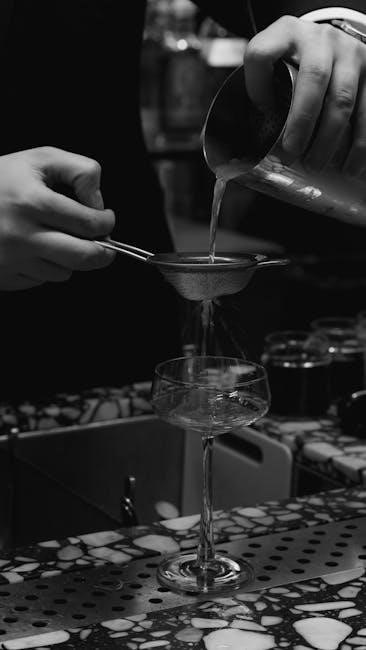
Use of Ingredients and Measurements
Ingredient lists in Jerry Thomas’s Bartenders Guide are often detailed for the period, specifying types of liqueurs and brandies, but measurements are notoriously imprecise․ Thomas frequently employs terms like “a dash,” “a spoonful,” or “sweet to taste,” leaving much to the bartender’s judgment and experience․
Standardized measurements as we know them today were largely absent in 1862․ This ambiguity contributes to the challenge of faithfully recreating historical cocktails, requiring modern bartenders to research and experiment to approximate the intended balance․ Despite this, the guide’s emphasis on quality ingredients—fresh juices, fine spirits—remains a cornerstone of good bartending practice․
Historical Context of Drink Preferences
Jerry Thomas’s Bartenders Guide reflects the mid-19th century American palate, heavily influenced by European drinking traditions and the burgeoning availability of imported spirits․ Cocktails were often intensely flavored and heavily sweetened, compensating for the variable quality of available ingredients and palates accustomed to less subtle tastes․
The guide showcases a preference for complex, layered drinks—punches, sours, and flips—requiring considerable bartending skill․ These drinks were popular among the affluent “bon vivants” of the era, seeking sophisticated and elaborate refreshments․ The emphasis on cordials and liqueurs also reveals a culture embracing after-dinner digestifs and refined alcoholic beverages․

Modern Adaptations & Study
Today, bartenders and historians meticulously recreate Thomas’s recipes, studying the guide to understand 19th-century techniques and evolving drink preferences․
Recreating Historical Cocktails
The challenge of recreating cocktails from Jerry Thomas’s Bartenders Guide lies in deciphering 19th-century measurements and ingredient availability․ Many original components have changed over time, requiring modern bartenders to research historical substitutes and adjust recipes accordingly․
Successfully reviving these drinks demands a deep understanding of the era’s palates and techniques․ Bartenders often experiment with different spirits and sweeteners to approximate the flavors Thomas intended, acknowledging that a perfect replication is often impossible․
Despite these hurdles, the pursuit of authenticity offers valuable insights into the evolution of cocktail culture․ Recreating these historical concoctions isn’t merely about taste; it’s about connecting with the past and appreciating the artistry of the “Professor” himself․
The Guide as a Source for Drink History
Jerry Thomas’s Bartenders Guide is an unparalleled primary source for understanding 19th-century American drinking habits and cocktail evolution․ Before its 1862 publication, cocktail recipes were largely undocumented and passed down orally, making Thomas’s work a pivotal moment in beverage history․
The book provides a snapshot of popular spirits, liqueurs, and mixers of the time, revealing preferences and trends․ It also illuminates the social context of drinking, showcasing the elaborate punches and refined cocktails favored by the “bon-vivants” of the era․
Researchers and historians rely on the Guide to trace the origins of classic cocktails and understand the development of bartending as a profession․
Contemporary Relevance of Thomas’s Techniques
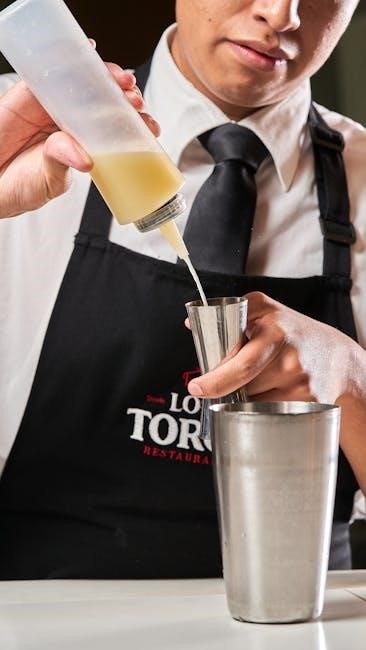
Despite being written in 1862, Jerry Thomas’s techniques continue to resonate with modern bartenders and cocktail enthusiasts․ His emphasis on fresh ingredients, precise measurements, and skillful mixing remains fundamental to quality cocktail creation today․
The Bartenders Guide encourages a return to classic methods, inspiring a revival of pre-Prohibition cocktails and a focus on balanced flavors․ Bartenders often recreate historical drinks from the book, appreciating the artistry and attention to detail․
Thomas’s approach to layering flavors and creating visually appealing drinks also influences contemporary mixology, demonstrating the enduring power of his innovative spirit․