
how black mothers say i love you pdf
Article Plan: How Black Mothers Say “I Love You”
This article explores the unique, often unspoken, ways Black mothers demonstrate affection, rooted in historical resilience and navigating racial realities.
Black motherhood is a complex tapestry woven with strength, resilience, and unique expressions of love, often differing from mainstream portrayals. Affection isn’t always verbally stated; it’s embedded in providing space, boundaries, and preparing children for a world marked by racial bias. Storying, a practice with deep African and Indigenous roots, serves as remembrance and resistance.
These mothers often embody the “Superwoman Syndrome,” prioritizing everyone’s needs while navigating stress and challenging situations. This historical context shapes how “I love you” is communicated – through protection, empowerment, and a conscious effort to raise free, conscious children.
Historical Context: Oral Traditions & Storytelling
Storying and storytelling are deeply ingrained in African and Indigenous traditions, serving as provocative ways of knowing and communicating across generations. For Black mothers, this manifests as passing down oral histories from enslaved ancestors – a powerful act of remembrance and resistance against systemic erasure.
Personal narratives guarantee agency in representation, challenging stereotypes and ensuring Black women define their own stories. Mothering itself aligns with this storying tradition, preserving family history, values, and cultural identity through shared experiences and lived realities.
African & Indigenous Roots of Communication
Communication within many African and Indigenous cultures prioritizes communal well-being and relationality, often expressed through indirectness and non-verbal cues. This contrasts with Western emphasis on direct verbal affirmation. Storytelling isn’t merely entertainment; it’s a vital method of transmitting knowledge, values, and ancestral wisdom.
For Black mothers, this heritage informs their approach to affection, prioritizing demonstrated care and shared experiences over explicit declarations of “I love you,” echoing traditions of resilience and collective survival.
Remembrance & Resistance Through Narrative
Oral histories passed down through generations of enslaved ancestors served as both a means of remembering lost heritage and a subtle form of resistance against dehumanization. These narratives weren’t simply recounting events; they were preserving identity, culture, and a sense of self in the face of systemic oppression.
Black mothers continue this tradition, utilizing storytelling to instill pride, resilience, and a critical consciousness in their children, effectively safeguarding their legacies.
The “Superwoman Syndrome” & Emotional Expression
The “Superwoman Syndrome,” where Black women prioritize everyone’s needs but their own, often stems from generational patterns and societal expectations of strength. This can manifest as a suppression of emotional vulnerability, impacting communication styles.

One mother described her own mother’s embodiment of this syndrome, leading to negative communication during stressful times, and a learned need for space. Breaking these cycles is crucial for fostering emotional wellness.
Generational Patterns of Emotional Wellness
Emotional expression within Black families is often shaped by historical trauma and survival mechanisms. Previous generations may have lacked models for healthy emotional processing, leading to patterns of suppressed feelings or indirect communication.
The absence of modeled emotional wellness, as one mother shared, can create a cycle where children learn to navigate stress through similar, potentially negative, means. Recognizing and addressing these patterns is vital for healing and fostering future emotional health.
Impact of Stress & Challenging Situations
Black mothers frequently face disproportionate stressors – systemic racism, economic hardship, and societal biases – impacting their emotional capacity. These challenges can manifest as negative communication, like yelling, stemming from overwhelmed coping mechanisms.
Providing space, a learned response from one mother’s experience, becomes a protective boundary; Recognizing the impact of stress is crucial; it doesn’t diminish love but highlights the need for self-care and healthier coping strategies within challenging circumstances.
Beyond Words: Non-Verbal Expressions of Love
For Black mothers, affection often transcends verbal declarations, deeply embedded in acts of service and providing secure boundaries. Offering space, as observed in one mother’s experience, isn’t a rejection but a demonstration of love through respecting emotional needs.
This nuanced approach stems from a history of protecting children, particularly in a society marked by racial bias. Love is communicated through ensuring safety, stability, and fostering resilience—a powerful, silent language.
Providing Space & Boundaries as Affection
A mother’s understanding of her child’s need for autonomy, particularly during stressful times, embodies a profound expression of love. Sherrie’s story illustrates this; her mother, embodying the “Superwoman Syndrome,” often reacted negatively, prompting a learned need for space.
This isn’t detachment, but a recognition of emotional limits and a protective instinct. Providing boundaries communicates respect and allows for self-regulation, a vital component of healthy attachment.
Racial Socialization & Demonstrations of Care
For Black mothers, demonstrating care extends beyond traditional affection; it includes preparing children for the realities of racial bias and systemic racism. This preparation, termed “Racial Socialization,” is a crucial act of love and protection.
It’s about equipping children to navigate a world that may not value their inherent worth, fostering resilience, and affirming their identity in the face of adversity. This proactive approach is a powerful expression of maternal love.
Preparing Children for Bias & Racism

Black mothers often engage in explicit conversations about race and racism, preparing their children for potential bias encounters. This isn’t about instilling fear, but about fostering awareness and equipping them with strategies to respond.

These discussions, informed by lived experiences and historical context, aim to build resilience and self-worth. Preparing for difficult conversations, especially following incidents of racism-related violence, becomes a vital demonstration of care and protection—a profound “I love you.”
Love as Protection in a Racist Society
For Black mothers, demonstrating love often intertwines with actively shielding their children from the harsh realities of racism. This manifests as racial socialization – preparing them for potential bias and discrimination.
It’s a proactive approach, born from a need to navigate a society where their children may be unfairly judged. This protective instinct, deeply rooted in maternal love, becomes a powerful act of resistance and a declaration of unwavering support.
Owning the Birthing Experience: A Form of Self-Love & Maternal Assertion
For Black mothers, claiming agency over their birthing experience is a profound act of self-love and empowerment. Crafting a birth plan isn’t merely listing preferences; it’s asserting their voice and demanding respectful care.
This assertion is vital, given historical and ongoing disparities in maternal healthcare. Owning this process—advocating for choices during pregnancy and labor—becomes a powerful demonstration of maternal strength and self-worth.
Crafting a Birth Plan & Advocating for Choices
A birth plan serves as a crucial communication tool, detailing labor and delivery preferences to the healthcare team. For Black mothers, this isn’t simply preference; it’s a proactive step towards ensuring their voices are heard and respected throughout the birthing process.
UC Health emphasizes empowering mothers to shape their journey, supported by a care team honoring lived experiences. This advocacy is a tangible expression of self-love and maternal assertion.
Empowerment During Pregnancy & Labor
Owning the birthing experience is a powerful act of self-love for Black mothers, particularly given historical and ongoing disparities in maternal healthcare. Crafting a birth plan isn’t merely about preferences; it’s about asserting agency and demanding respectful care.
UC Health recognizes the importance of supporting mothers in shaping their birthing journeys, ensuring their choices are honored and their voices amplified throughout pregnancy and labor.
The Importance of Agency in Representation
Black mothers actively challenge harmful stereotypes through self-definition, reclaiming narratives often distorted by societal biases. Personal stories guarantee agency, allowing Black women to represent themselves beyond limiting tropes.
Mothering itself becomes an act of storying, deeply connected to African and Indigenous oral traditions of remembrance and resistance. This agency in representation is vital for fostering authentic understanding and empowerment.
Challenging Stereotypes of Black Women
Dominant narratives frequently portray Black women through damaging stereotypes, often overlooking the complexities of their experiences and the depth of their maternal love. This article aims to dismantle the “Superwoman Syndrome” myth—the expectation of constant strength and self-sacrifice—which can hinder emotional wellness.
By centering Black mothers’ voices and stories, we actively challenge these harmful representations and affirm their agency in defining their own narratives and expressions of care.
Black Women Defining Their Own Narratives
Black mothers possess invaluable conceptualizations of mothering, often absent from mainstream discourse. Personal narratives guarantee agency in representation, moving beyond limiting stereotypes. Mothering intrinsically aligns with storying—a practice deeply rooted in African and Indigenous oral traditions, serving as remembrance and resistance.
These stories, passed down through generations, reclaim power and define Black motherhood on their own terms, showcasing vulnerability, strength, and nuanced expressions of love.
Vulnerability & Strength in Black Motherhood
Black mothers often navigate a complex duality: embodying strength while grappling with intergenerational patterns of emotional wellness. The “Superwoman Syndrome,” characterized by prioritizing others’ needs, can lead to neglected self-care and negative communication patterns.
Recognizing this dynamic is crucial; providing space and boundaries is an act of love, learned through observing and consciously shifting generational cycles.

Balancing Self-Care with Caregiving
For Black mothers, self-care isn’t selfish—it’s essential for sustained caregiving. Breaking the cycle of the “Superwoman Syndrome” requires intentional prioritization of personal needs, despite societal pressures and historical conditioning.
Acknowledging vulnerability and seeking support are vital components. This balance allows mothers to model emotional wellness for their children, fostering a healthier dynamic and demonstrating self-worth.

The Role of Storying in Mother-Child Connection
Storying, deeply rooted in African and Indigenous traditions, serves as a powerful conduit for love and cultural transmission within Black families. Passing down family history, values, and experiences creates a strong bond and a sense of belonging.
These narratives, often born from remembrance and resistance, offer lessons of resilience and empower children with a profound understanding of their heritage and identity.
Passing Down Family History & Values
Oral histories, passed down through generations from enslaved ancestors, are central to how Black mothers express love and preserve cultural identity. These stories aren’t merely recollections; they are acts of resistance, ensuring ancestors aren’t forgotten.
By sharing these narratives, mothers instill pride, resilience, and a deep understanding of their children’s heritage, fostering a strong connection to the past and a hopeful outlook for the future.
Navigating Racism & Protecting Black Girls
Black mothers often demonstrate love through proactive preparation, equipping their daughters to navigate a society marked by racial bias and potential violence. This isn’t simply about warning of dangers, but fostering strength and self-worth.

Raising “free Black girls” involves instilling agency, resilience, and a firm understanding of their value, serving as a powerful act of love and protection in a challenging world.
Raising Free Black Girls: A Mother’s Role

A mother’s love manifests as empowerment, actively preparing daughters for the realities of racial bias while simultaneously nurturing their self-esteem and agency. This involves open communication about potential challenges and fostering a strong sense of identity.
It’s about equipping them with the tools to navigate a world that may not always value them, ensuring they understand their inherent worth and possess the strength to thrive.
The Theory of Racial Socialization Explained
Racial socialization is a vital process where Black mothers prepare their children for navigating racial bias and discrimination within society. This framework encompasses discussions about race, racism, and strategies for coping with potential prejudice.
It’s a proactive approach to protecting their children’s emotional well-being and fostering resilience in the face of systemic inequities, ensuring they understand their history and worth;
Understanding the Framework
The theory centers on preparing children for potential bias, stemming from incidents of racism-related violence and systemic inequalities. Mothers actively engage in conversations, equipping their children with tools to understand and respond to prejudice.
This includes fostering racial pride, teaching coping mechanisms, and promoting awareness of societal power dynamics, ultimately serving as a protective factor and a demonstration of love.
Impact of Racism-Related Violence on Maternal Approaches
Exposure to racism-related violence profoundly shapes how Black mothers prepare their children, prompting difficult but necessary conversations about safety and societal biases. This necessitates proactive discussions about navigating prejudice and potential encounters with discrimination.

Mothers often feel compelled to equip their children with strategies for self-protection and resilience, demonstrating love through vigilance and a commitment to their well-being in a hostile world.
Preparing for Difficult Conversations
Black mothers proactively prepare for conversations about race and racism, acknowledging the potential for bias and violence their children may face. This involves anticipating questions, practicing responses, and fostering open communication about challenging experiences.
These discussions aren’t simply about fear; they’re acts of love, equipping children with the knowledge and tools to navigate a world that isn’t always equitable or safe, building resilience and self-awareness.
Communication Styles & Cultural Differences
Black maternal communication often diverges from mainstream norms, prioritizing non-verbal cues, directness, and a pragmatic approach to emotional expression. This stems from historical and cultural contexts, including the “Superwoman Syndrome” and the need for resilience.
Providing space and boundaries is affection, and storytelling serves as a powerful means of transmitting values and navigating racial socialization, shaping unique mother-child connections.
Unique Aspects of Black Maternal Communication
Black mothers frequently employ a communication style shaped by both African oral traditions and the necessity of preparing children for racial bias. This manifests as a blend of directness, strength, and a subtle conveyance of love through acts of service and protection.
Often, emotional wellness isn’t explicitly modeled, but communicated through resilience and a focus on navigating challenging situations, prioritizing agency and self-advocacy.
Addressing Emotional Neglect & Healing
Generational patterns, like the “Superwoman Syndrome,” can inadvertently lead to emotional neglect, impacting communication styles within Black families. Recognizing these cycles is crucial for healing and fostering healthier expressions of affection.
Breaking these patterns requires intentional effort to model emotional wellness, prioritize self-care, and engage in positive reinforcement, creating space for vulnerability and open dialogue.
Breaking Cycles of Negative Communication
Acknowledging the impact of stress and challenging situations, often stemming from systemic racism, is vital in understanding negative communication patterns. Many Black mothers, mirroring their own upbringing, may default to yelling or withholding affection during difficult times.
Consciously shifting towards positive reinforcement, active listening, and creating space for open emotional expression can disrupt these cycles, fostering a more nurturing and supportive environment for children.
The Power of Affirmation & Positive Reinforcement
Building self-esteem in Black children requires intentional affirmation, counteracting societal biases and stereotypes they may encounter. Verbalizing pride in their accomplishments, acknowledging their strengths, and consistently expressing unconditional love are crucial.
Positive reinforcement, beyond praise, involves creating opportunities for success and celebrating their unique identities. This proactive approach fosters resilience and a strong sense of self-worth, empowering them to navigate a world often stacked against them.
Building Self-Esteem in Black Children
Nurturing self-esteem is paramount, especially given the racial socialization Black children experience, preparing them for potential bias and racism. Mothers actively combat negative societal messages by instilling pride in their heritage and celebrating their inherent worth.
Affirmations, positive reinforcement, and creating safe spaces for vulnerability are vital components. This empowers children to embrace their identities, fostering resilience and a strong sense of self, crucial for navigating systemic challenges.
Love as a Form of Activism & Resistance
For Black mothers, demonstrating love extends beyond individual affection; it’s a powerful act of resistance against systemic oppression. Raising conscious and empowered children becomes a form of activism, equipping them to challenge injustice and advocate for change.
This involves fostering critical thinking, instilling cultural pride, and preparing them to navigate a world often marked by racial bias. Love, in this context, is a proactive force for liberation and social transformation.
Raising Conscious & Empowered Children
Black mothers actively cultivate resilience and self-worth in their children, preparing them for a society often fraught with racial bias and discrimination. This involves open communication about racism, fostering a strong sense of identity, and instilling pride in their heritage.
Empowerment stems from equipping children with the tools to navigate challenges, advocate for themselves, and contribute to positive change, transforming potential vulnerability into strength.
The Intersection of Motherhood & Identity
For Black women, motherhood is inextricably linked to navigating societal expectations and challenging pervasive stereotypes. The “Superwoman Syndrome,” where mothers prioritize everyone else’s needs, often stems from historical pressures and systemic inequities.
Balancing maternal responsibilities with personal identity requires intentional self-care and a reclamation of agency, redefining motherhood on their own terms and resisting limiting narratives.
Black Women’s Experiences & Perspectives
Black motherhood is profoundly shaped by unique experiences, including navigating racial socialization and protecting daughters from bias. Sherrie’s story exemplifies a generational pattern where mothers, lacking modeled emotional wellness, prioritize survival over self-care.
This often manifests as negative communication during stressful times, creating a need for space. Owning the birthing experience—crafting birth plans and advocating for choices—becomes an act of self-love and assertion.
Resources & Support for Black Mothers
Accessing mental health services is crucial, given the compounded stressors faced by Black mothers—historical trauma, racial bias, and the “Superwoman Syndrome.” UC Health emphasizes empowering Black mothers during pregnancy, respecting their choices and lived experiences.
Support networks can aid in breaking cycles of negative communication and fostering emotional wellness. Further research is needed to fully understand diverse expressions of love and provide tailored resources.
Accessing Mental Health Services
Black mothers often navigate unique challenges impacting emotional wellbeing, stemming from systemic racism and generational patterns of suppressing vulnerability. Addressing emotional neglect and healing requires culturally competent care.
Resources should prioritize understanding the impact of racism-related violence and offer support for difficult conversations with children. Prioritizing self-care alongside caregiving is essential, yet often overlooked, for Black mothers.
Black motherhood redefines affection beyond conventional expressions, embedding love within protection, resilience, and cultural preservation. Storying, racial socialization, and advocating for birthing choices are all acts of love.
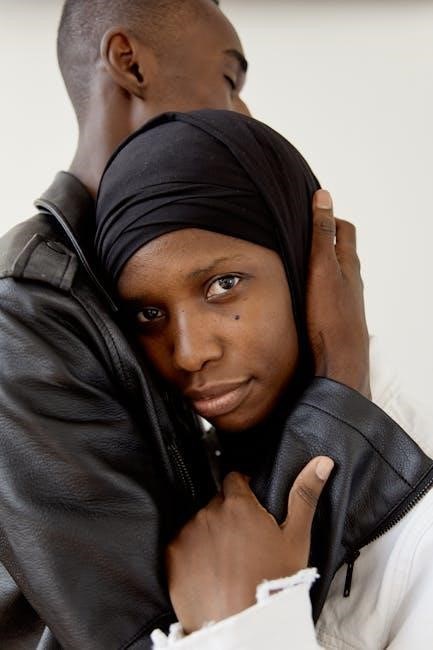
This nuanced approach, born from historical context and ongoing challenges, demonstrates a powerful form of activism. Recognizing these unique expressions is crucial for understanding and honoring Black maternal love.
Future Research: Exploring Diverse Expressions of Love
Further investigation should delve into the intersection of Black motherhood, identity, and varying socioeconomic backgrounds to capture the full spectrum of maternal affection.
Qualitative studies focusing on intergenerational patterns of emotional wellness and the impact of racism-related trauma are vital. Exploring the role of affirmation and positive reinforcement within Black families will also be key to understanding these diverse expressions.